Pool construction in Spain — design, building and maintenance
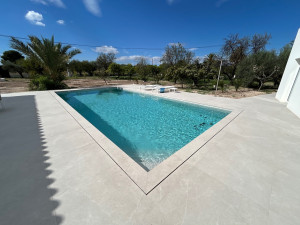
Having your own pool is a symbol of comfort, luxury, and freedom. It offers the chance to cool off on a hot day, spend time with your family, or host friendly gatherings by the water — all without leaving home. Beyond pleasure, a pool also increases your property’s value and makes it more attractive for sale or rent.
Building a swimming pool is a complex engineering project that requires precise calculations, high-quality waterproofing, and the proper selection of equipment. Mistakes at the planning stage can lead to leaks, shell deformation, or unnecessary expenses in the future. That’s why it’s so important to trust experienced professionals.
If you’re looking for a reliable pool builder in Spain, our service will help you find a verified professional near you — quickly, safely, and with guaranteed results.
Concrete pool construction
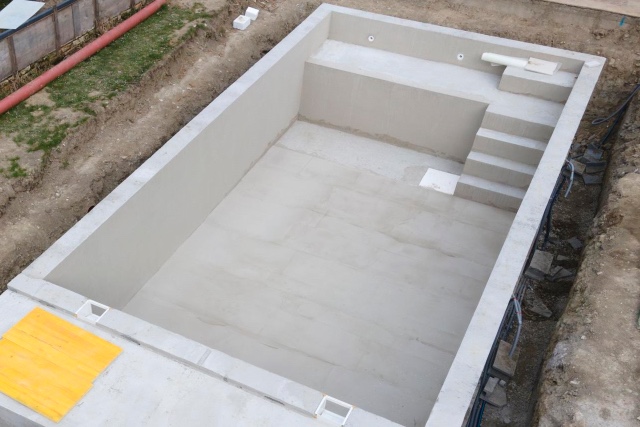
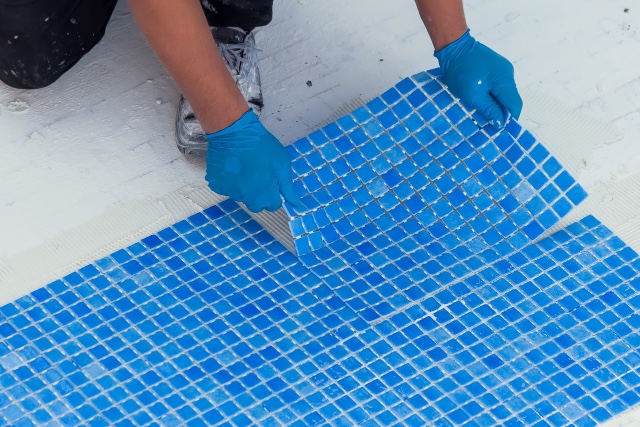
Want a durable pool with a custom shape and depth? Monolithic concrete pools ensure maximum strength and long-term reliability. The builder performs reinforcement, waterproofing, and tiling.
▶︎ You get a pool designed specifically for your property and style.
What to ask the builder:
What materials and technologies do you use?
How long does the construction process take?
Do you provide a waterproofing guarantee?
Installation of composite and plastic pool shells
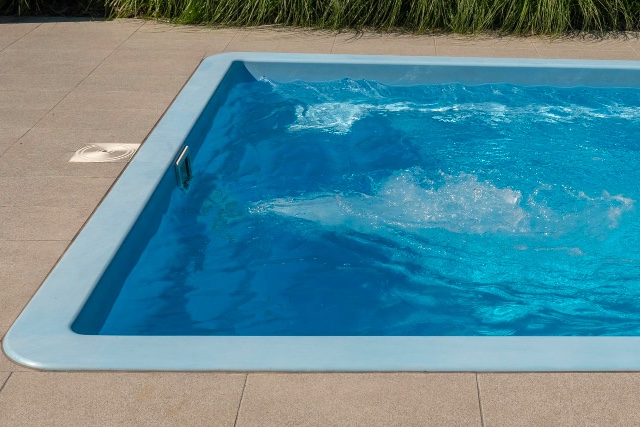
A fast and affordable solution for private homes. The ready-made shell is placed into a prepared excavation, connected to the filtration system, and filled with water.
▶︎ You save time and get a turnkey pool in just a few days.
What to ask the builder:
Which shell models are the most durable?
Is additional insulation required?
How should this type of pool be maintained?
Landscaping and poolside design
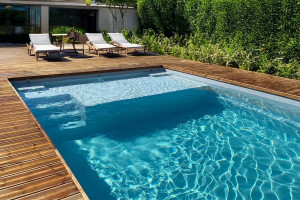
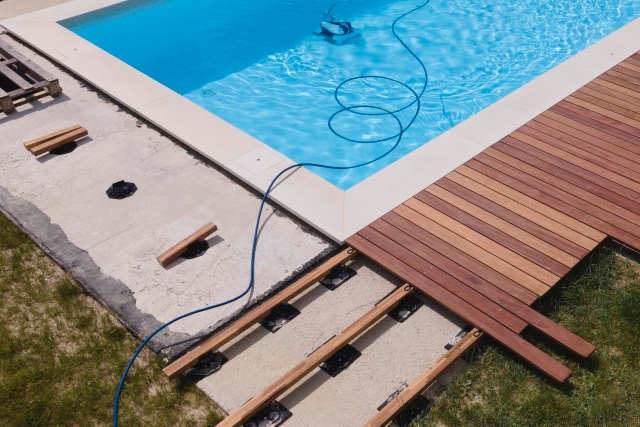
Once the pool is built, it’s time to finish the surrounding area — decking, tiling, lighting, outdoor shower, or lounge area.
▶︎ You create a comfortable relaxation space with a thoughtful design.
What to ask the builder:
Which surfaces are safest when wet?
Can lighting or a heating system be added?
How should decking and tiles be maintained?
Filtration and engineering systems installation
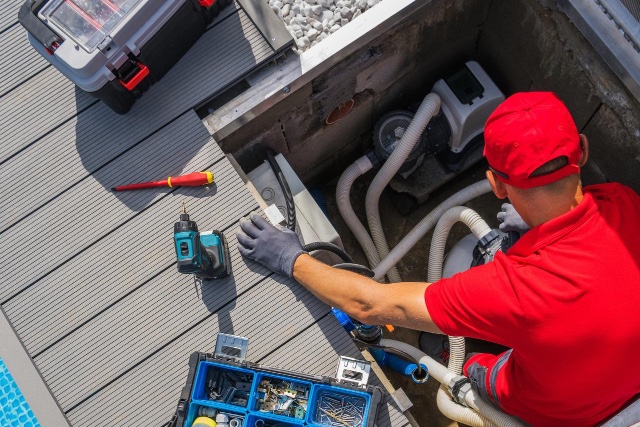
Filtration units, pumps, and automatic chemical dosing systems keep your water clean and crystal-clear.
▶︎ You enjoy a pool that’s always ready for use — without extra hassle.
What to ask the builder:
Which filtration system suits my pool best?
How often does it need maintenance?
Is automatic control available?
Pool repair and renovation
If cracks, leaks, or outdated finishes appear, the professional will inspect the pool, replace the lining, and modernize the equipment.
▶︎ Your pool becomes like new again — safe, watertight, and stylish.
What to ask the builder:
Can my existing pool shell be restored?
How long will the renovation take?
Do you offer a warranty for the new finish?
Pool maintenance
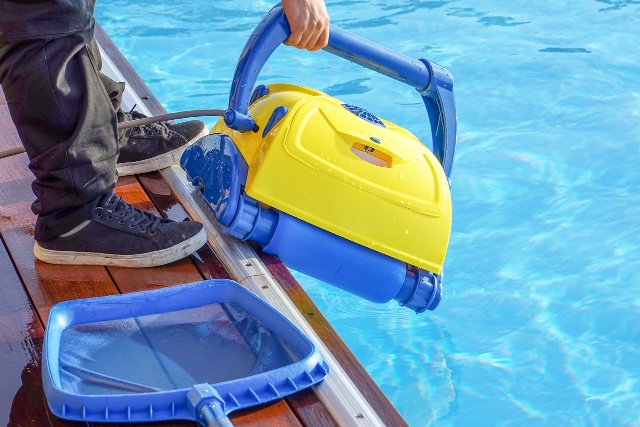
Regular cleaning, pH control, and equipment checks extend the life of your system.
▶︎ You relax while your pool stays in perfect condition all year round.
What to ask the builder:
How often should maintenance be performed?
Can I order seasonal maintenance?
What’s included in the standard service package?
How to choose a good specialist
Choosing a pool builder is one of the most important decisions — the quality of the work determines how safe and comfortable your pool will be for years to come. Mistakes in design or installation can cause leaks, filtration issues, and costly repairs.
Check experience and reviews. Find out how long the builder or company has been in business. Ask to see photos or videos of completed projects, especially those similar to yours. Real customer feedback is the best indicator of reliability.
Verify licenses and insurance. For electrical, filtration, and plumbing work, the specialist must be a profesional autorizado (licensed professional). This ensures compliance with all safety standards. Insurance coverage protects you from unforeseen issues.
Compare estimates and materials. Don’t agree to vague quotes. A proper estimate lists work stages, material costs, deadlines, and warranties. Transparency prevents hidden fees and misunderstandings.
Put everything in writing. The contract should specify the project details, timeline, payment terms, and warranty conditions. The clearer the agreement, the smoother the process.
Avoid chasing the lowest price. Suspiciously cheap offers often mean poor materials or no guarantees. A quality pool is an investment that lasts decades — choose professionals who stand behind their work.
Pay attention to communication. A professional is open, explains every step, and adapts to your budget. If someone avoids specifics or gives unclear answers, that’s a red flag.
Frequently asked questions (FAQ)
▸How much does pool construction cost in Spain?
It depends on the pool type, size, materials, and site conditions. The average price ranges from €6,000 to €25,000. Concrete pools are more expensive but long-lasting; composite and plastic models are faster and cheaper to install.
▸Can I build a pool on a small plot?
Yes. Professionals can design compact options — a mini-pool, spa corner, or narrow lap pool along the wall. It’s important to plan dimensions and boundary distances in advance.
▸How long does construction take?
Usually 3–8 weeks, depending on the pool type, weather, and permits. Prefabricated shells can be installed within days; concrete ones take longer due to curing and tiling.
▸Do I need a permit to build a pool?
In most Spanish municipalities — yes. You’ll need to submit a project and apply for a licencia de obra menor or mayor. The specialist will help with documentation.
▸Can a pool be built on a rooftop or terrace?
Yes, but only after a structural engineer confirms the building’s load capacity. A custom project is then developed.
▸What types of pools are most popular in Spain?
Concrete, composite, and polypropylene pools are the most common. For holiday homes, owners often choose prefabricated or temporary models.
▸How do I maintain a pool?
Check the pH level regularly, clean the filters and floor, and use water-treatment chemicals. You can also schedule monthly professional maintenance.
▸Can I add water heating?
Yes — options include heat pumps, solar panels, or electric heaters. This lets you enjoy your pool year-round.
▸How often should the water be changed?
With proper filtration, a full replacement isn’t needed — partial renewal once or twice a year is enough.
▸What if the water becomes cloudy or green?
The pH level or filtration system is likely off balance. A technician can diagnose and restore the system quickly.
▸Can I install a salt-water system instead of chlorine?
Yes. Salt electrolysis systems are becoming very popular — they’re gentler on the skin and eyes and cheaper to maintain.
▸Which pool finish is best?
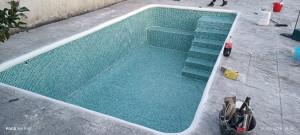
Ceramic tiles and mosaic finishes look elegant and last for decades. Vinyl liners are an affordable and quick-install option.
▸Do you build infinity or overflow pools?
Yes, these are popular on sloped properties and scenic locations. They require precise leveling and overflow systems.
▸How much does filtration and pump installation cost?
From €500 to €2,000, depending on power and brand.
▸Can you service or renovate an old pool?
Absolutely. The technician can repair leaks, replace tiles, and upgrade filtration systems.
▸What warranties are offered?
Workmanship warranties usually last 2–5 years, while equipment is covered according to the manufacturer’s policy.
▸Do you work on weekends or emergencies?
Yes, weekend or urgent visits can be arranged in advance.
▸Can I install an automatic cleaning system?
Yes. Modern pools use robotic cleaners, dosing units, and smart sensors — reducing manual maintenance.
▸Can I have a shallow or children’s pool built?
Yes, depth, steps, and layout can be customized for safety and convenience.
▸Is staged or installment payment available?
Yes, many professionals work in stages — deposit, mid-project payments, and a final settlement upon completion.
Platform capabilities
Expert
I can provide repair and construction services in Spain
 Request your free quote