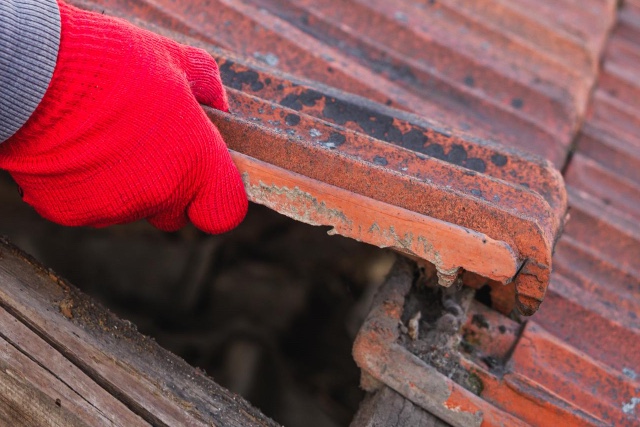
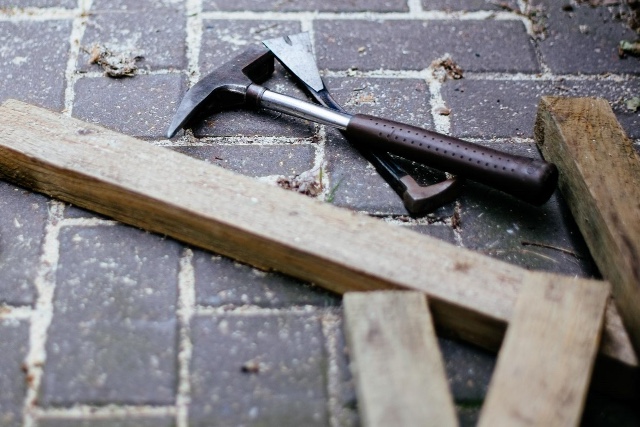
Old roof removal is required before a major roof renovation, replacement of worn-out roofing materials, restoration of waterproofing, installation of new insulation, or complete reconstruction of the roofing system. The condition of the base and structural elements that will be used during further renovation largely depends on how carefully and systematically the removal work is carried out.
In Spain, the conditions for roof removal depend largely on the type of building and roof. Private houses and villas often have tiled roofs, including ceramic roof tiles (teja cerámica) and concrete roof tiles (teja de hormigón). Industrial, utility, and some older buildings may have metal sheets, fibre-cement panels, and other roofing materials. On flat roofs and roof terraces, it may be necessary to remove not only the upper covering but also old waterproofing, insulation, protective layers, and damaged screed.
Particular attention should be paid to old roofing materials that may potentially contain amianto — asbestos. In Spain, the removal and handling of asbestos-containing materials cannot be treated as ordinary roof dismantling: such work must be carried out in compliance with specific safety requirements and regulations for hazardous waste management.
The height of the building, access to the roof, the possibility of installing scaffolding or lifting equipment, protection of the area around the property, and organisation of construction waste removal must also be taken into account. In comunidades de propietarios (owners’ associations), there may also be rules regarding the use of common areas, restrictions on the hours when noisy work is permitted, and requirements for placing waste containers.
Our service will help you find a verified roofing and demolition specialist near you who can assess the condition of the old roof, determine a safe removal procedure, and prepare the base for the installation of the new roofing system.
Removal of tiled roofing
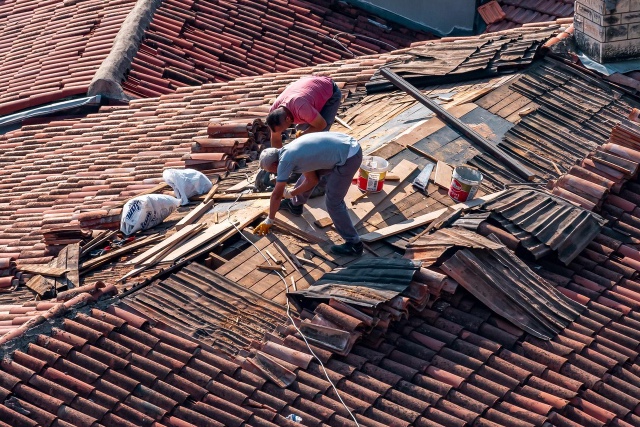
A tiled roof is dismantled gradually, usually from the top down, to avoid creating uncontrolled loads and damaging structural elements that are to remain in place.
During the process, roof tiles, ridge tiles, edge elements, flashings, and other components are removed. Once the roof has been opened, it becomes much easier to assess the condition of the battens, timber elements, waterproofing layer, and underlying base.
If some of the roof tiles are intended to be reused, this should be decided in advance. With careful removal, suitable tiles can be separated from damaged ones and stored safely.
What should be discussed in advance:
type of existing roof tiles;
roof area and pitch;
condition of the covering;
whether any tiles will be reused;
method of lowering materials from the roof;
need for scaffolding or lifting equipment;
protection of the façade, windows, and surrounding area;
temporary protection of the roof against rain;
sorting and removal of waste;
condition of the base after removal.
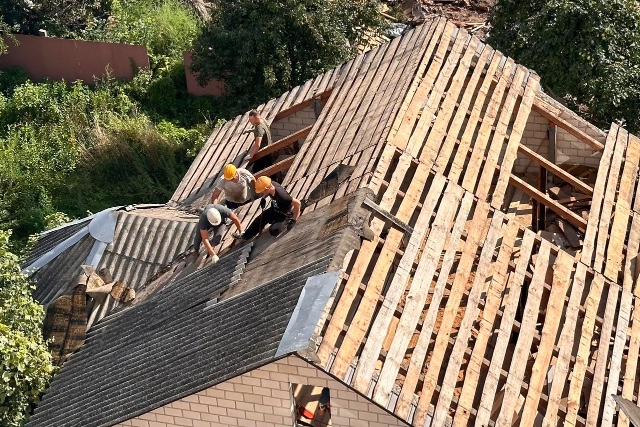
Complete removal of the roof covering
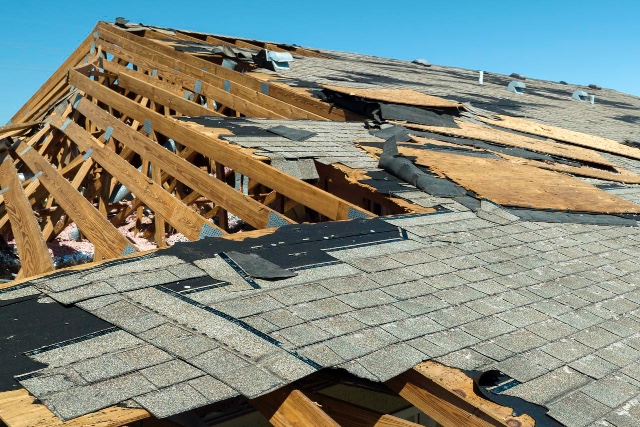
During major reconstruction, it may be necessary to remove not only the external roof covering but also old underlay materials, waterproofing, insulation, battens, or other layers of the roofing system.
This type of removal makes it possible to expose the base completely and inspect its condition before installing a new roof.
It is particularly important to define the extent of removal in advance. In some cases, part of the structure remains in good condition and can be retained. In others, opening the roof reveals rot, corrosion, cracks, signs of long-term leaks, or other damage.
What to pay attention to:
which layers are to be removed;
condition of the base;
presence and condition of insulation;
condition of the waterproofing;
condition of timber or metal elements;
areas affected by leaks;
junctions with walls and chimneys;
drainage system;
temporary protection of the open roof;
procedure for subsequent repairs.
Removal of old flat roofing and waterproofing
On flat roofs and roof terraces, the problem is often related not to a single top layer but to the entire multi-layer roofing system.
During major renovation, it may be necessary to remove the old waterproofing membrane, protective layers, tiles, insulation, or damaged screed in order to gain access to the base.
Once the roof has been opened, it is important to determine where the leak actually originated. Simply installing new material over a problematic base does not always eliminate the defect.
In Spain, correct slopes and effective drainage are particularly important: sumideros (roof drains), gutters, and other drainage elements must ensure proper water evacuation during heavy rainfall.
What should be agreed in advance:
composition of the existing roofing system;
depth and extent of removal;
condition of the waterproofing;
presence of wet insulation;
condition of the screed and base;
existing slopes;
location of roof drains;
junctions with parapets and walls;
protection of interior spaces;
installation of the new roofing system after removal.
Removal of battens and damaged base elements
After the roof covering has been removed, it is often discovered that some battens, timber decking, or other elements have lost their strength due to moisture, insects, corroded fasteners, or long-term use.
Damaged elements are removed carefully to avoid affecting structures that are to remain in place.
It is important to distinguish between ordinary battens and elements that perform a structural or load-bearing function. Rafters, beams, and other critical parts of the roof should not be removed simply because they appear old or damaged.
If work on the load-bearing roof structure is planned, the technical solution should first be determined and, where necessary, an architect, arquitecto técnico (technical architect), or another qualified professional should be involved.
What should be considered:
which elements can be removed;
which structures are load-bearing;
condition of timber or metal elements;
signs of moisture damage;
insect damage;
corrosion of fasteners;
need for temporary reinforcement;
sequence of removal;
need for technical documentation or a project;
method of restoring the structure.
Roof removal where asbestos Is suspected
Older buildings in Spain may have fibre-cement roofing sheets and other construction materials that potentially contain asbestos.
If the origin of an old material is unknown or there is reason to suspect the presence of amianto, ordinary mechanical removal should not begin until the material has been properly identified.
Work involving confirmed asbestos-containing materials requires special organisation, measures to protect workers and the surrounding area, and proper packaging, transportation, and disposal of the waste in accordance with applicable requirements.
Such materials must not be mixed with ordinary construction waste.
What needs to be determined before work begins:
age and type of material;
whether there is reason to suspect asbestos;
whether material testing is required;
who is authorised to carry out the removal;
what safety measures are required;
how the work area will be organised;
how the material will be removed;
how the waste will be packaged;
who is responsible for transportation;
where the hazardous waste will be taken.
Complete old roof removal service
A complete service may include an initial inspection, organisation of roof access, installation of the necessary safety systems, removal of the roof covering and old roofing layers, sorting of materials, lowering waste from the roof, loading, transportation, and preparation of the base for the next stage of work.
This option is particularly convenient when the roof is being completely replaced, as removal can be coordinated directly with the installation of the new roofing system.
For properties in comunidades de propietarios and urbanizaciones in Spain, it is advisable to check in advance whether scaffolding can be installed, where a waste container may be placed, whether courtyards and other common areas can be used, and what hours are permitted for noisy work.
It is also important not to leave a dismantled roof unprotected. If the new roofing system will not be installed immediately, a method of temporarily protecting the building against rain should be determined before removal begins.
What should be clear before work starts:
exact roof area;
which layers will be removed;
whether scaffolding and access equipment are included;
whether protection of the surrounding area is included;
who arranges the waste container;
whether waste loading is included;
whether transportation and delivery to an authorised facility are included;
what happens to materials suitable for reuse;
who is responsible for temporary waterproofing;
what happens if hidden damage is discovered;
removal schedule;
when installation of the new roof will begin;
inspection and payment procedure.
How to choose a specialist for old roof removal
Removing a roof may seem like a relatively straightforward task: take off the old covering and dispose of it. In practice, this is work at height where worker safety, the condition of the structure, protection of the building against weather, and proper handling of construction waste must all be managed at the same time.
Experience specifically in roofing work. Ideally, the contractor should have experience removing the same type of roof installed on your property: pitched tiled roofing, metal roofing, flat roofing, or a roof terrace. A specialist who regularly works with roofs is more likely to understand the correct dismantling sequence and recognise which elements require particular attention once the covering has been removed.
Roof inspection before preparing the estimate. It is difficult to calculate an accurate price based only on the area of the building. The amount of work depends on the pitch, height, number of roofing layers, condition of the covering, access to the property, and the method used to remove materials from the roof. For this reason, an inspection should ideally be carried out before the final estimate is prepared, or the contractor should at least receive sufficiently detailed information and photographs of the property.
Safe organisation of work at height. It should be clear in advance how workers will access the roof and what safety equipment will be used. Depending on the property, scaffolding, guardrails, fall-protection systems, lifting equipment, or other means of safe access may be required.
Understanding the roof structure. A good specialist does not simply remove every element. They should distinguish between the roof covering, battens, underlying base, and components of the load-bearing structure. If damaged rafters, beams, or other critical structural elements are discovered, further action should be agreed before these components are removed.
Experience working with roof tiles. This is particularly relevant in Spain because tiled roofs are widespread. If some of the existing tiles are to be retained, removal should be carried out carefully and reusable elements should be sorted separately.
Proper handling of suspicious materials. If the roof contains old fibre cement or another material that may contain amianto, the contractor should not treat it as ordinary construction waste. Before removal begins, it is necessary to determine whether a special procedure and an appropriately authorised contractor are required.
Protection of the building against rain. Once the roofing has been removed, the building becomes significantly more vulnerable to rainfall. The contractor should explain in advance how much of the roof will be opened at each stage, when installation of the new system will begin, and how the building will be protected if the weather changes unexpectedly.
Organisation of construction waste. Before work begins, it is advisable to determine where removed materials will be stored, how they will be lowered from the roof, and who is responsible for loading and disposal. For properties with restricted access, this can have a significant impact on both the cost and duration of the work.
Working with the comunidad de propietarios. If the property is located in an apartment building or residential complex, the roof may be considered a common element of the building. Before starting work, it is necessary to determine which approvals are required from the comunidad de propietarios, as well as the rules regarding common areas, scaffolding, waste containers, and noisy work.
Clear and transparent estimate. The quotation should ideally show the cost of removal, access and safety equipment, loading, waste container, transportation, waste handling, and preparation of the base separately. If additional work may be required once the roof has been opened, it is useful to agree in advance how such work will be assessed and approved.
Written agreements. The roof area, extent of removal, schedule, protective measures, waste handling, and cost should preferably be agreed in writing before work begins. For major reconstruction, it is also important to establish who will coordinate the removal work with the architect, arquitecto técnico, engineer, or professional responsible for the new roofing system.
Frequently asked questions (FAQ)
▸ How is an old roof usually removed?
The roof is first inspected to determine the type of covering, condition of the structure, access to the work area, and extent of removal. Once safe access and protection of the surrounding area have been organised, the covering is dismantled systematically.
Removed materials are sorted and lowered to the ground, after which the exposed roof elements are inspected. Before work begins, it is important to agree which layers will be removed completely, which will remain, and how the building will be protected until the new roofing system is installed.
▸ Does the old roof always need to be completely removed before installing a new one?
Not always. The decision depends on the existing structure, condition of the materials, and the technology of the new roofing system.
However, if the existing roof leaks, the base is damaged, or the waterproofing and insulation need to be replaced, partial repairs may not solve the problem. The extent of removal is best determined after an inspection.
▸ Can only the damaged section be removed?
Yes. For local repairs, it may sometimes be sufficient to open a limited section of the roof.
However, it is important to identify the actual cause of the damage. If a leak appears in one location, the source of the water may be much higher up the roof slope or at a defective junction, so the area that needs to be opened does not always correspond to the visible damp patch inside the building.
▸ Can old roof tiles be reused?
If individual tiles are in good condition and compatible with the new roofing system, they can sometimes be retained.
This should be agreed before work begins because tiles intended for reuse need to be removed and stored much more carefully than materials intended for disposal.
▸ What happens to the roof after the tiles are removed?
Removing the tiles provides access to the underlying layers: battens, waterproofing, base, and parts of the roof structure.
This is often the stage when hidden damage is discovered. Before starting work, it is advisable to agree who will assess these defects and how any additional repairs will be approved.
▸ What should be done if rotten timber is discovered during removal?
The first step is to determine what function the damaged element performs. A roof batten and a load-bearing beam require completely different approaches.
If the damage affects the load-bearing structure, removal should not simply continue automatically. A technical assessment and a solution for reinforcing or replacing the structural element may be required.
▸ Is it dangerous to remove an old roof yourself?
The main risks are not limited to the roofing material itself. Work at height, fragile sections of the roof base, heavy materials, and falling objects can all present serious hazards.
The condition of an old roof is not always obvious before dismantling begins, which is why safe access and appropriate fall protection are important parts of the work.
▸ How can I tell whether an old roof contains asbestos?
It is not always possible to reliably determine the composition of a material from its appearance alone. Suspicion often arises with old fibre-cement sheets and certain other materials from the relevant period.
If the origin of the material is unknown, it is safer to identify it before destructive removal begins. If amianto is confirmed, special procedures apply to both the removal work and waste handling.
▸ Can I remove an asbestos-containing roof myself?
Asbestos-containing roofing cannot be treated as ordinary construction material. Its removal requires special precautions designed to prevent the release and spread of hazardous fibres.
Before such work begins, it is important to determine the applicable requirements for the particular property, contractor, and subsequent handling of the waste.
▸ Where does old roofing material go after removal?
Ordinary construction waste should be handled through the appropriate waste management system. The exact procedure depends on the type of material and local requirements.
Before work begins, it is worth establishing whether the price includes the waste container, loading, transportation, and delivery of waste to the appropriate facility. Asbestos-containing materials require separate handling and must not be mixed with ordinary construction waste.
▸ Can a roof be removed while it is raining?
Opening large sections of a roof during rain is generally undesirable. Water can enter the insulation, structural layers, and interior of the building.
Weather forecasts therefore play an important role when planning removal. It is worth agreeing in advance what temporary protection will be used if unexpected rain occurs.
▸ What happens if it starts raining after the roof has been removed?
A professional team should have a method for temporarily protecting exposed areas.
This is especially important during major roof removal when the new roofing system cannot be installed on the same day.
▸ How long does old roof removal take?
The duration depends on the roof area, pitch and building height, number of roofing layers, type of material, accessibility, and method used to remove waste.
A small, straightforward roof and a large roof with complex geometry cannot be estimated in the same way. Additional time may also be required if damaged structural elements or materials requiring special handling are discovered.
▸ Is scaffolding required?
The same access system is not used for every property. The appropriate solution depends on the height and configuration of the building, roof pitch, and organisation of the work area.
The key issue is not necessarily whether scaffolding is used, but whether there is a safe system for access and for protecting workers and people below.
▸ Can the roof be removed in stages?
Yes, and in many situations phased removal is more practical than opening the entire roof at once.
This approach helps limit the exposed area and allows individual sections to be covered more quickly with the new roofing system. The sequence should ideally be coordinated with the team responsible for installing the new roof.
▸ Does the old waterproofing need to be removed?
If the waterproofing layer is damaged, has lost its performance, or is incompatible with the new system, it will usually need to be removed or appropriately prepared.
The final decision depends on the roof construction. The condition of old waterproofing is particularly important on flat roofs and roof terraces, where mistakes can result in recurring leaks.
▸ Can the old insulation be left in place?
If the insulation is dry, in good condition, and suitable for the new roof construction, retaining it may be possible.
However, after long-term leaks, insulation may be wet or damaged. Covering such a layer with a new roofing system without assessing its condition is generally undesirable.
▸ Is a permit required to remove a roof in Spain?
This depends on the municipality, type of property, and extent of the work. Minor repairs to the roof covering and major roof reconstruction may fall into different categories.
If the structure, geometry, or other significant characteristics of the building are being changed, the required permits and technical documentation should be determined in advance according to the requirements of the relevant ayuntamiento.
▸ Is approval from the comunidad de propietarios required?
In an apartment building, the roof is often considered a common element, so the decision may not always be made independently by the owner of a single apartment.
In addition to approval for the work itself, it is worth determining in advance the rules regarding access, scaffolding, use of courtyards and other common areas, placement of waste containers, and noisy work.
▸ What determines the cost of old roof removal?
The cost depends on the roof area and type of covering, building height, roof pitch and complexity, number of layers to be removed, site accessibility, need for scaffolding or lifting equipment, volume of waste, and condition of the underlying structure.
Waste containers, transportation, removal of damaged structural elements, temporary waterproofing, and work involving materials that require special handling may be charged separately.
Before work begins, it is advisable to obtain a clear estimate and check whether it includes access and safety equipment, removal work, lowering materials from the roof, sorting, loading, waste containers, transportation, waste disposal, and temporary protection of the exposed roof. This makes it possible to compare contractors based on the actual scope of work rather than only the final price.
Platform capabilities
Expert
I can provide repair and construction services in Spain
 Request your free quote