Electrical wiring installation in Spain: features, regulations, and work stages
Electrical wiring installation in Spain is far more than simply laying cables and installing sockets. It is a type of work that requires a clear understanding of local regulations, climate conditions, building types, and the real needs of property owners. Whether it is a cozy apartment in Barcelona, a seaside villa on the Costa Blanca, or a commercial property in Madrid, every project requires an individual and well-thought-out approach.
If you live in Spain or have recently purchased property here, electrical work is almost always one of the first issues to arise. In this case, it is especially important to trust professionals who are familiar with local regulations and work legally. Our service helps you quickly and hassle-free find a licensed electrician you can rely on for both small tasks and complex projects.
Regulations and standards: why they matter so much in Spain
All electrical installation work in Spain is regulated by the Reglamento Electrotécnico para Baja Tensión (REBT). This is not a formality but a mandatory requirement for the safe and legal use of electricity in any property.
In practice, this means that:
only materials with European CE certification may be used;
work must be carried out by a licensed electrician;
every installation must be inspected and officially registered;
the electrical panel must include circuit breakers, RCDs, and differential protection devices.
Failure to meet these requirements can result in the property being denied connection to the power grid, as well as serious issues during inspections or property sales.
What to consider in spanish homes
Spanish real estate is very diverse, and this directly affects electrical installation.
Building type
▶︎ Older buildings are common in city centers. They often still have aluminum wiring that is not designed for modern electrical loads. In such properties, replacing the electrical system is not a luxury but a necessity.
▶︎ New developments are usually designed to accommodate air conditioning, modern appliances, and energy-efficient solutions. However, they often still require customization to meet the specific needs of the owner.
▶︎ Private houses and villas are a separate category. Swimming pools, automatic irrigation systems, solar panels, and electric vehicle chargers all require a well-designed system with dedicated power lines.
Climate conditions
Spain’s climate also sets its own requirements. Summer heat and high humidity, especially in coastal areas, require:
cables with durable, high-quality insulation;
well-protected electrical panels;
reliable grounding, which is particularly important in seaside properties.
Types of electrical wiring used in Spain
Concealed wiring
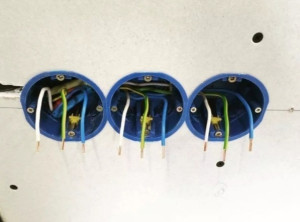
This is the most common and preferred option. Cables are laid inside protective conduits within walls and ceilings. It is neat, safe, and fully compliant with Spanish regulations, ensuring durability and a clean aesthetic appearance.
Surface-mounted wiring
Used less frequently — mainly in garages, technical rooms, or during the renovation of historic buildings where wall chasing is not permitted. This is a practical solution when preserving architecture or minimizing structural intervention is important.
Step-by-step electrical installation process
Design and planning. A reliable electrical system always starts with a plan. At this stage, the following are taken into account: - the number and power of household appliances; - high-humidity areas (bathrooms and kitchens); - future needs such as air conditioners, electric vehicles, and solar panels.
Careful planning prevents costly modifications later on.
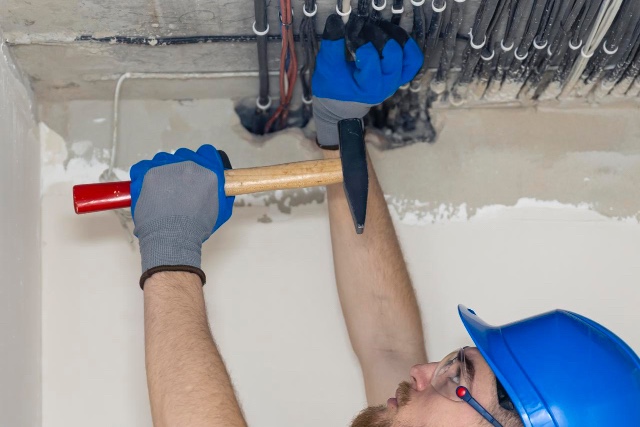
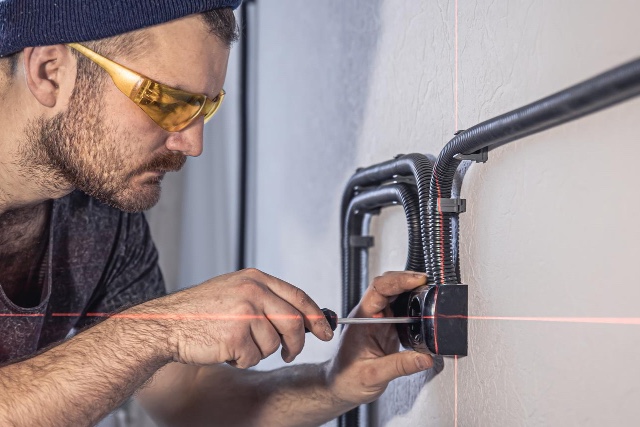
Preparation and marking. Before work begins, precise marking of cable routes, sockets, switches, and junction boxes is carried out. In older buildings, the first step is often dismantling outdated wiring.
Cable installation. Copper cables with the correct cross-section are used and must be laid in protective conduits. This is not a recommendation but a strict requirement under Spanish safety standards.
Electrical panel. The electrical panel is the “brain” of the entire system. It includes: - a main circuit breaker; - differential circuit breakers; - surge protection; - dedicated lines for high-power appliances and equipment.
Inspection and legal certification. Once the work is completed, the system is tested. After a successful inspection, a technical certificate is issued — a document without which legal use of electricity in Spain is impossible.
Energy efficiency and modern solutions: comfort today, savings tomorrow
In Spain, energy consumption is taken very seriously — and electricity bills make the reason obvious. That is why modern electrical installations are designed not only for current needs but also with a view toward how a home will function in 5–10 years. Today, electrical systems are tools for saving money, increasing comfort, and boosting property value — not just a collection of cables and breakers.
Government and EU support programs, abundant sunshine, and rising energy prices make energy-efficient solutions a smart and forward-thinking choice rather than a passing trend.
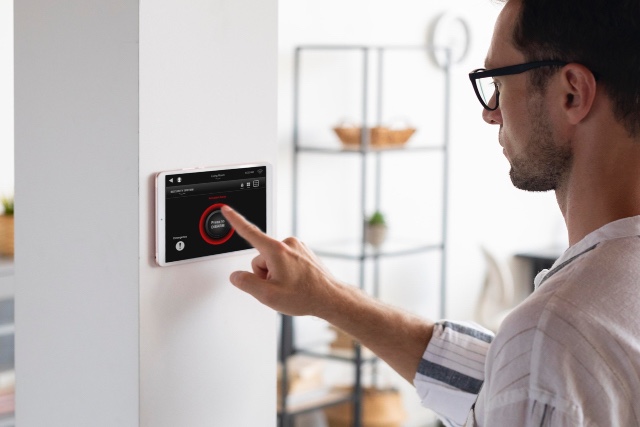
Smart home systems: effortless control
Smart home systems are no longer a luxury in Spain. They are increasingly installed not only in villas but also in city apartments, especially rental properties or homes intended for comfortable long-term living.
During installation, the following are planned in advance:
dedicated power lines and low-voltage cabling;
modules for motion, light, and presence sensors;
remote control of lighting, climate, and security via smartphone or tablet.
As a result, owners gain full control of their home — even while abroad. Lights, air conditioning, and blinds operate only when needed, significantly reducing energy consumption.
LED lighting and smart zoning
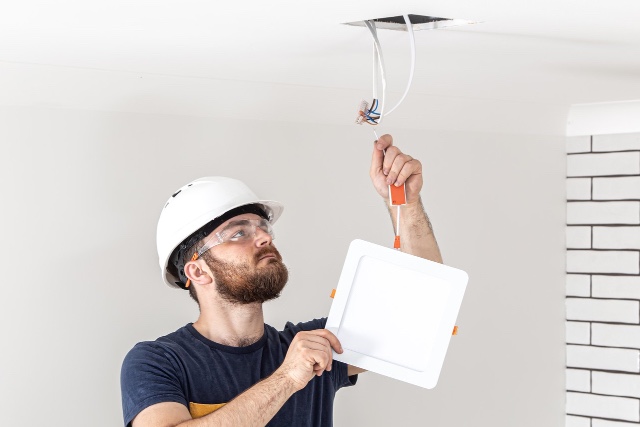
LED lighting is the standard in Spain and one of the easiest ways to reduce energy costs. It consumes minimal power, generates little heat, and lasts for years without replacement.
Electrical planning often includes:
separate lighting zones for different rooms and scenarios;
dimmers and lighting scenes for comfort and ambiance;
motion sensors in corridors, stairwells, bathrooms, and garages.
This approach can reduce lighting costs by up to 60–70% while making the space more functional and modern.
Solar panels: making the most of spanish sunlight
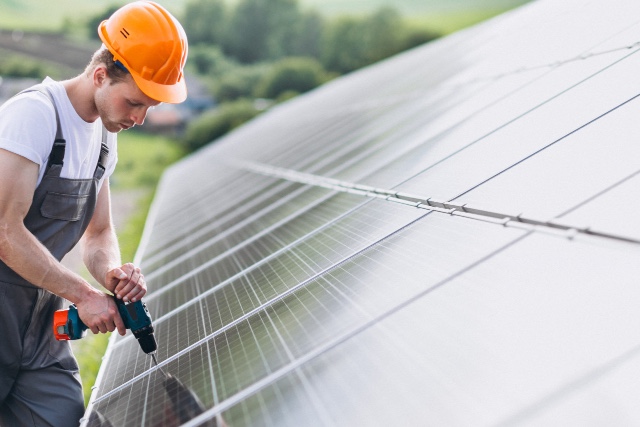
Spain is one of the sunniest countries in Europe, and ignoring this resource simply makes no sense. That is why more and more homes are equipped with photovoltaic systems.
Modern wiring is designed in advance for:
connecting solar panels;
installing inverters and battery storage;
feeding surplus energy back into the grid in accordance with local regulations.
Even partial solar integration noticeably lowers electricity bills and increases energy independence — especially relevant for private houses and villas.
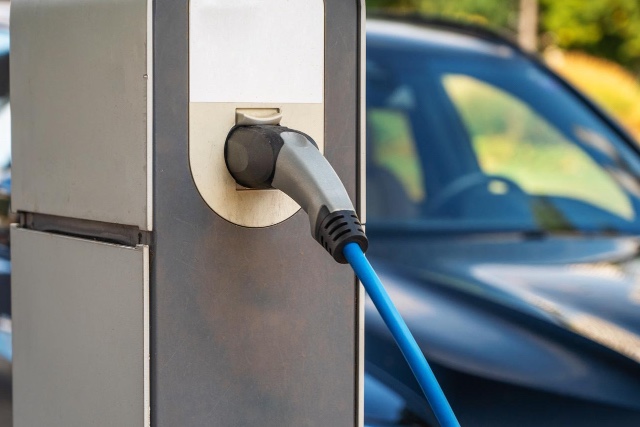
Preparing for electric vehicles: a step into the near future
The number of electric vehicles in Spain is growing every year, and having a charging point is becoming an important factor when choosing property.
During electrical installation, the following are planned:
dedicated high-capacity power lines;
protection against overloads and voltage surges;
compatibility with smart charging stations and off-peak tariffs.
Even if you do not yet own an electric vehicle, this preparation is a smart investment that saves time and money in the future.
Financial and investment benefits
Energy-efficient electrical systems are not only about comfort — they are also about financial return. Reduced monthly electricity costs are noticeable from the very first months, while modern technical solutions significantly increase property market value.
Homes equipped with smart systems, solar panels, and EV charging readiness sell faster and are easier to rent out. In Spain’s market, which is focused on long-term investment and quality of life, this is a major competitive advantage.
Cost of electrical installation in Spain
Pricing is always calculated individually and depends on:
the size and type of the property;
the condition of the existing electrical system;
project complexity;
region and timelines.
Yes, electrical installation in Spain is more expensive than in many Eastern European countries. However, this difference is offset by higher quality, safety, and strict compliance with regulations that protect you for years to come.
Frequently asked questions (FAQ)
Below are the most common questions asked by property owners before starting electrical work in Spain.
▸Is it mandatory to hire a licensed electrician in Spain?
Yes. Only licensed electricians are legally allowed to carry out electrical work and issue the documents required for grid connection.
▸What is REBT and why is it important?
REBT is Spain’s main set of electrical regulations. Non-compliance can lead to refusal of connection and issues during inspections.
▸Do old homes need full rewiring?
In most cases, yes. Older properties often have aluminum wiring that does not meet modern safety standards.
▸Can electrical wiring be partially replaced?
Sometimes, but only after a professional assessment. Full replacement is often recommended for safety and certification.
▸How long does electrical installation take?
From a few days to several weeks, depending on the size and complexity of the project.
▸Are documents issued after completion?
Yes. A technical certificate is provided confirming compliance with Spanish regulations.
▸Can I install sockets or switches myself?
Minor tasks are possible, but any safety-related changes must be performed or approved by a licensed electrician.
▸Are RCDs and differential breakers mandatory?
Yes, especially in kitchens, bathrooms, and humid areas.
▸Can wiring be prepared in advance for a smart home?
Yes, and it is highly recommended to avoid costly modifications later.
▸Is standard wiring sufficient for air conditioners?
Not always. AC units usually require dedicated power lines.
▸Can solar panels be installed on an apartment?
Yes, with approval from the homeowners’ association and compliance with local rules.
▸What if circuit breakers trip frequently?
This indicates overload or system issues and requires professional diagnostics.
▸How much does rewiring an apartment cost?
Costs depend on size and complexity. A site inspection is required for accurate pricing.
▸ Should electrical systems be updated when buying property?
Yes, especially for properties over 15–20 years old.
▸Does modern wiring increase property value?
Absolutely. Energy-efficient, certified installations make properties more attractive to buyers and tenants.
▸ Can a home be prepared in advance for EV charging?
Yes, even without immediate charger installation.
▸Do you work with rental and investment properties?
Yes. Safe, modern electrical systems reduce risk and increase rental profitability.
Platform capabilities
Expert
I can provide repair and construction services in Spain
 Request your free quote