Installation and replacement of light switches in Spain
A light switch may seem like a small detail, something we use dozens of times a day without thinking. But it plays a key role in both comfort and safety at home. When a switch starts “acting on its own” — clicking inconsistently, sparking, heating up, coming loose from the wall, or causing lights to flicker — it’s no longer just an inconvenience, but a real risk.
Installation and replacement of light switches in Spain is not only needed when something breaks. This service is often requested during renovations, after moving house, when updating interiors, installing new light fixtures, or switching to LED lighting and smart home solutions. In Spanish apartments and houses, electrical systems can vary significantly, and what looks like a “simple replacement” can quickly turn into a task with important technical details.
Our service helps you quickly find a trusted local professional — no random contractors, a clear process, and a neat, reliable result.
Installing or replacing a light switch is not just about “putting on a new button”. A professional service includes diagnosing the connection point, selecting the correct type of switch, and carrying out safe installation with proper load testing. This is especially important in Spain, where electrical systems differ from building to building: some are modern and standardized, others have been partially updated or remain from older renovations.
Types of light switches and what to consider when choosing
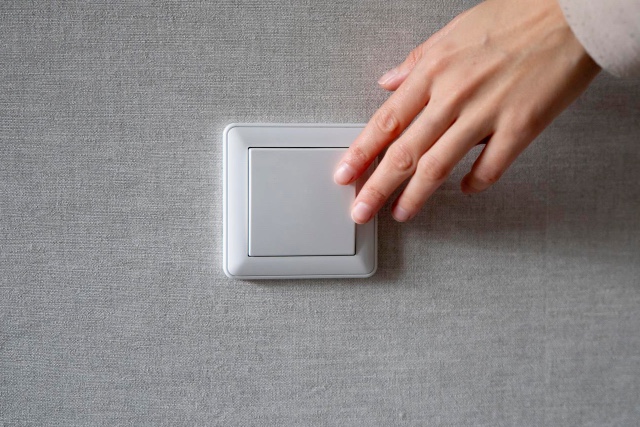
Standard single-gang switch
The most common option for controlling one lighting circuit. Simple, reliable, and suitable for most living spaces such as bedrooms, living rooms, and storage areas. Often used where no complex lighting scenarios are required.
▶︎ In everyday use, the light works steadily and predictably — without unnecessary features or surprises.
What to ask the technician:
Is this switch compatible with my existing wiring?
Do the mounting box or fixings need to be replaced?
Does it make sense to replace only the internal mechanism instead of the whole switch?
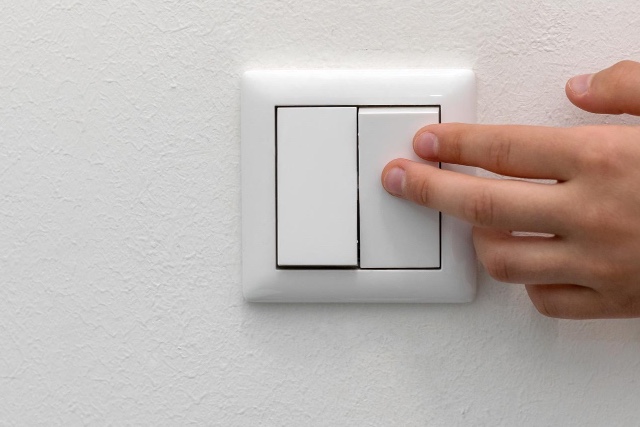
Double-gang switch
Allows control of two separate lighting circuits from one location, for example main lighting and accent lighting. Common in living rooms, kitchens, and bathrooms, but requires correct wiring.
▶︎ In practice, this gives you more flexible lighting control and helps divide the space into zones.
What to ask the technician:
Do I have separate lines for two lighting circuits?
Can this be installed without running new wires?
How should the lighting groups be logically arranged?
T
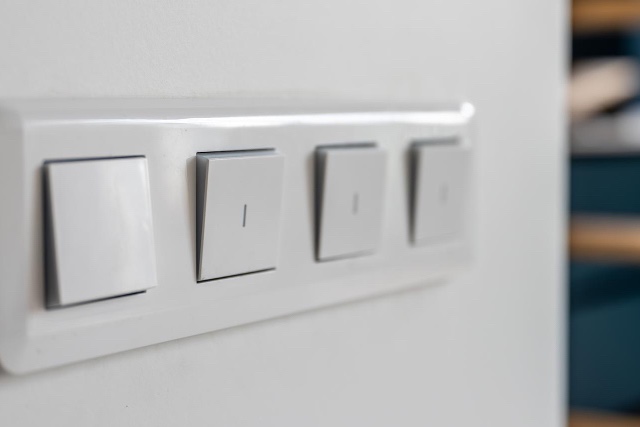
wo-way (multi-way) switch
Used when the same light needs to be controlled from two or more locations. Common in corridors, staircases, and bedrooms. Installation requires a precise wiring scheme.
▶︎ This solves the problem of unnecessary movement and makes daily life noticeably more convenient.
What to ask the technician:
How many control points can be implemented in my case?
Is additional wiring required, or is it already in place?
Which switch models work best for this type of setup?
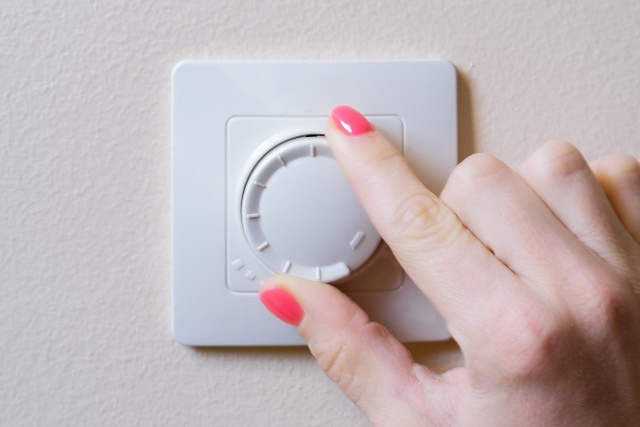
Dimmer switch
Allows smooth adjustment of light brightness and helps create different atmospheres in a room. Compatibility with bulbs — especially LEDs — is critical.
▶︎ In everyday use, this provides comfortable lighting for different situations, from bright working light to soft evening light.
What to ask the technician:
Is this dimmer compatible with my LED bulbs?
What load range is suitable for my lighting?
Is flickering or noise possible during operation?
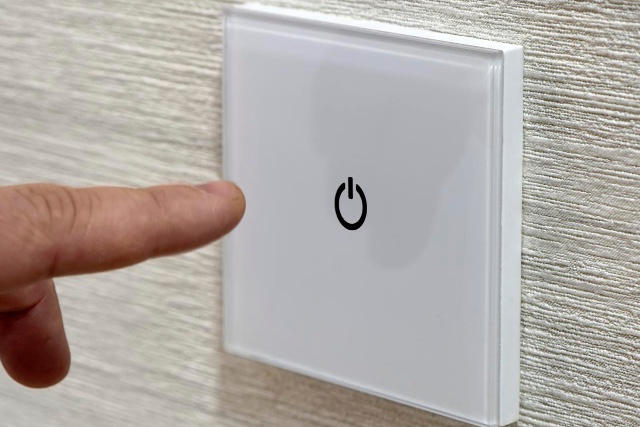
Touch (sensor) switch
A modern option controlled by touch, often chosen for its design. Requires careful installation and stable power supply.
▶︎ Both visually and functionally, the interior feels more modern and minimalist.
What to ask the technician:
Is my wiring suitable for a touch switch?
Is a neutral wire required for correct operation?
How does it behave during voltage fluctuations?
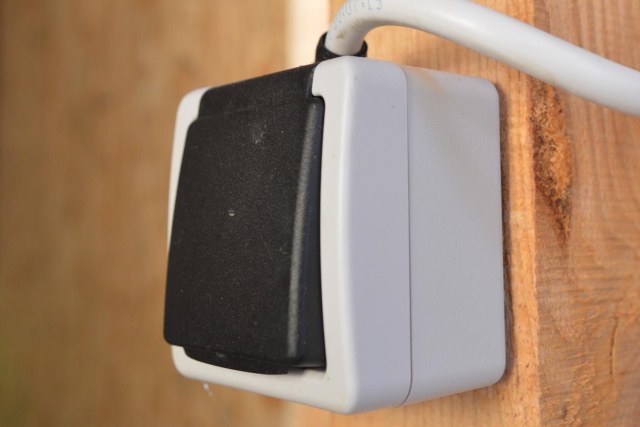
Waterproof switch
Designed for areas with high humidity: bathrooms, terraces, balconies, and utility areas. Features a sealed housing and protected contacts.
▶︎ In real conditions, this reduces the risk of failures and makes lighting safer to use.
What to ask the technician:
Which IP protection rating is best for my space?
Can this switch be installed outdoors or under a canopy?
Is additional line protection or grounding required?
From diagnosis to result: how a light switch is installed
Working with a light switch doesn’t start with a screwdriver, but with understanding the situation. Even when the task seems simple, an experienced technician always checks the details — because they determine whether the new switch will work reliably and safely.
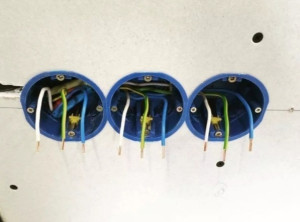
On-site diagnosis. The technician first assesses the connection point: checking for voltage, the condition of the wires, signs of overheating, loose contacts, or non-standard connections. This helps determine whether the job is limited to replacing the switch or requires minor additional work.
Safe power disconnection. Before work begins, the circuit is fully de-energized and checked with a tester. This crucial step is often skipped in DIY jobs, but it prevents short circuits and wiring damage.
Careful removal of the old switch. The frame and mechanism are removed without damaging the wall or mounting box. If fixings are loose or the box is unstable, this is addressed immediately so the new switch doesn’t loosen after a few weeks.
Wire preparation and inspection. Wires are cleaned, contacts refreshed if needed, and lengths adjusted. If weak connections or worn insulation are found, the technician proposes a solution on the spot instead of leaving a hidden issue behind.
Installing the new switch. The switch is connected according to its type (standard, two-way, dimmer, touch), the lighting scheme, and load requirements. The mechanism is securely fixed and aligned so it looks neat and sits straight.
Load testing. Once power is restored, the switch is tested under real conditions: no flickering, delays, overheating, or unusual noises. For two-way switches, all control points are tested.
Final check and result. At the end, the technician confirms that everything works reliably, the switch clicks cleanly, the light responds predictably, and the appearance meets expectations. The client gets not just a “new switch”, but confidence that this electrical point won’t need attention again.
Why It’s Better Not to Do This Yourself
Even if it looks like “just two wires”, the risk is usually in the details:
incorrect wiring can lead to constant live voltage at the fixture or unstable operation;
a weak contact inside the box is a common cause of overheating and melting;
with old wiring, it’s easy to damage insulation or create a poor connection;
some modern models (dimmers, touch switches) require precise wiring and compatibility.
Through our service, you can find a technician who doesn’t just replace a switch, but installs it so it works reliably, safely, and without unpleasant surprises.
Frequently Asked Questions (FAQ)
▸ Can a switch be replaced without turning off power in the whole apartment?
Yes, usually only the specific circuit is отключен. The key is knowing which breaker controls it and verifying that there is no voltage before starting.
▸ The switch clicks, but the light doesn’t turn on — is it the switch or something else?
Not always the switch. Often the cause is a poor contact, oxidized terminals, or connections inside the box, which is why a technician checks the point first.
▸ Is it dangerous if a switch heats up?
Yes. Heating is a sign of a poor connection or overload and should not be ignored, even if the light still works.
▸ Why do lights flicker after replacing a switch?
Most often due to incompatibility with LED bulbs or incorrect wiring. Sometimes changing the switch helps, sometimes the circuit needs adjustment.
▸ Can a dimmer replace a standard switch?
Often yes, but only if the dimmer is compatible with the bulbs and load. There is no one-size-fits-all option.
▸ Are touch switches suitable for any wiring?
No. Some models require a neutral wire or stable power supply, which isn’t available in all apartments.
▸ How long does it take to replace one switch?
Usually 20–40 minutes, unless hidden wiring or mounting issues are found.
▸ Do I need to replace the mounting box when changing a switch?
Only if it’s damaged or unstable. Otherwise, replacement isn’t necessary.
▸ Can a single switch be replaced with a double one?
Sometimes, but only if separate lines are available. This is checked on site.
▸ Why does a switch feel loose in the wall?
Most often due to worn fixings or a damaged mounting box. This is fixed during installation.
▸ Can I control lighting from two locations without major renovation?
It depends on existing wiring. Sometimes it’s already in place; other times additional cabling is required.
▸ The light glows faintly when switched off — is that normal?
No. This is a common LED issue caused by wiring or switch type, and it can be resolved correctly.
▸ Do I need to buy the switch in advance?
Not necessarily. The technician can install yours or suggest a suitable option if compatibility is uncertain.
▸ Can a switch be installed on a terrace or balcony?
Yes, but only a waterproof model with the correct IP rating. Standard switches are not suitable outdoors.
▸ What’s the practical difference between standard and two-way switches?
Two-way switches allow control from multiple points. They’re easy to use but require correct wiring.
▸ Why does the breaker trip after replacing a switch?
Usually due to a wiring error or a hidden issue in the circuit. Work is stopped and the system checked immediately.
▸ Can only the internal mechanism be replaced while keeping the frame?
Yes, if the mechanism is compatible. This is often done during updates to reduce costs.
▸ Is it worth replacing all switches at once?
If a renovation is already underway or the switches are the same age, it’s often more convenient and saves time later.
▸ Is there a difference between switches for new builds and older homes?
The main difference is the wiring. Older properties often require additional checks and minor adjustments.
▸ How do I know when it’s better to fix the problem now rather than later?
If there’s heating, crackling, smell, flickering, or unstable operation — it’s best not to wait. These are exactly the cases where early action matters.
Platform capabilities
Expert
I can provide repair and construction services in Spain
 Request your free quote