Lighting is not just about brightness — it affects comfort, safety, and the overall atmosphere of your home. Well-designed and properly installed lighting makes spaces more functional, enhances the interior, and reduces unnecessary load on the electrical system.
Electrical lighting installation in Spain is a professional service that allows both simple and design-focused solutions to be implemented without risk or rework. Whether you’re renovating, upgrading your lighting, or simply want better illumination at home, our service helps you find a trusted specialist near you — quickly and with guaranteed results.
Installation of ceiling lights and chandeliers
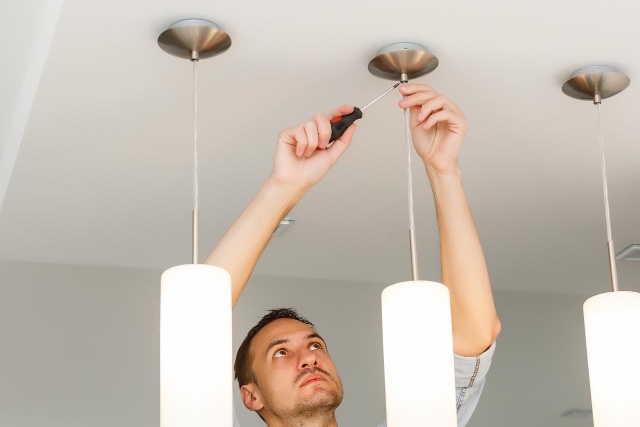
A new light fixture can completely change how a room feels, but incorrect installation often causes more problems than comfort. The specialist assesses the condition of the ceiling and electrical wiring, selects a secure mounting method, connects the fixture properly, and checks its performance under load.
▶︎ As a result, the light works smoothly without flickering or overheating, and the installation remains safe for both the ceiling and the wiring.
Things worth agreeing on in advance:
whether the existing wiring can handle the chosen fixture;
if reinforced mounting is required;
which bulbs are best in terms of brightness and energy efficiency.
Recessed and spot lighting installation
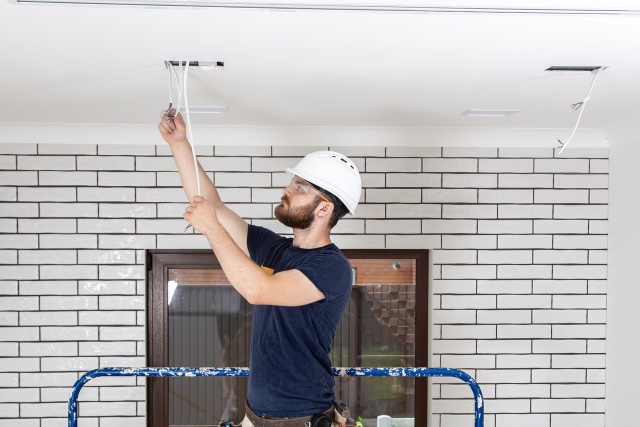
Spotlights provide clean, even lighting — but only when they are correctly planned and positioned. The technician helps determine the optimal number of fixtures, marks the ceiling accurately, and carries out careful installation and connection.
▶︎ This approach prevents dark areas and avoids unnecessary strain on the electrical system.
What to discuss:
how many lights are really needed for comfortable illumination;
whether the ceiling is suitable for recessed installation;
if separate lighting groups are planned.
LED accent and decorative lighting Installation
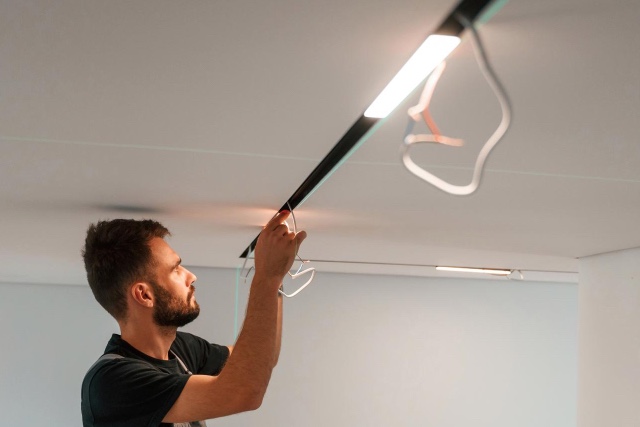
LED lighting is often used to create atmosphere and visual accents — in niches, furniture, staircases, and architectural elements. The specialist selects the appropriate LED strips, places power supplies in accessible locations, and installs the system neatly and reliably.
▶︎ The result is a modern interior look with energy-efficient and long-lasting lighting.
What to plan ahead:
the desired color tone and brightness level;
where the power supply will be located;
whether brightness or color control is required.
Installation of switches, dimmers and sensors
Home comfort largely depends on how easy it is to control the lighting. The technician installs switches, dimmers, two-way switching systems, and motion sensors, taking into account the layout of the space and everyday habits of the residents.
▶︎ This makes it easy to turn the lights on exactly where and when they’re needed.
What to pay attention to:
whether the dimmers are compatible with the selected lamps;
if additional wiring is required;
where control elements will be most convenient.
Lighting for residential and commercial spaces
Lighting serves different purposes in apartments, houses, offices, shops, and restaurants — from creating comfort to attracting customers. The specialist selects solutions based on the function of the space, safety regulations, and energy efficiency.
▶︎ The goal is lighting that supports your needs without creating unnecessary expenses.
What’s useful to discuss:
which areas require stronger lighting;
whether different lighting scenarios are needed;
how to reduce overall energy consumption.
Diagnostics and modernization of existing lighting
If lights flicker, become dimmer, or circuit breakers trip without an obvious reason, it’s a sign that the system needs attention. The technician performs diagnostics, checks wiring and connections, replaces outdated components, and suggests modern improvements.
▶︎ This increases safety and comfort without the need for major renovation.
What’s important to understand:
what’s causing the instability;
whether a full replacement is needed or partial modernization is sufficient;
which solution offers the best balance between cost and result.
How to choose a reliable electrical lighting lnstallation specialist
Installing lighting is not just “hanging a lamp.” It involves electrical loads, mounting systems, and safety considerations. Mistakes often don’t appear immediately — lights may flicker, wiring may overheat, breakers may trip, and in worst cases, short circuits can occur. That’s why choosing the right specialist matters.
Experience specifically with lighting. Many electricians can handle basic connections, but lighting installation often requires more expertise: two-way switches, dimmers, LED drivers, hidden power supplies, track systems, and integrated lighting. A good specialist asks the right questions from the start — about lighting scenarios, zones, power requirements, and selected fixtures.
Tip: Ask to see examples of lighting projects, not just panels or sockets.
Understanding of load and safety (especially in older buildings). In Spain, many homes have wiring from different construction periods. A professional checks whether the line can handle the load, if terminals need replacement, which breakers are installed, and whether grounding is present — particularly important in kitchens, bathrooms, and terraces.
Licenses and insurance: “autorizado” is not a formality. Electrical work in Spain must be carried out by authorized professionals with insurance. This isn’t just paperwork — it protects the client in case of disputes or insurance claims.
Transparent pricing and clear scope of work. A good specialist explains what’s included: site visit, layout, mounting, connection, materials, testing, and cleanup. They also clarify what may affect the price — complex ceilings, hidden wiring, wall chasing, or additional circuits.
Tip: It’s better when the price is confirmed after inspection, not guessed over the phone.
Precision and installation quality. Lighting is also about aesthetics. Straight lines, hidden cables, clean openings, proper fixture alignment, and care for ceilings and finishes all distinguish a professional.
Warranty and after-service support. A reliable specialist provides a warranty on installation and explains how to use dimmers, drivers, and controls correctly to avoid damage from improper use.
Frequently asked questions (FAQ)
▸How much does electrical lighting installation cost?
In most cases, prices start from €50 for simple tasks (such as installing or replacing a single fixture) and can reach €300 or more for complex projects involving track systems, multiple points, accent lighting, or new circuits. Costs usually depend on the number of fixtures, ceiling type, and whether wiring upgrades are needed, so it’s important to clarify what’s included and whether materials are charged separately.
▸Can I install just one light or chandelier?
Yes, this is a very common request — especially after buying a new fixture or refreshing an interior. In practice, many specialists have a minimum call-out fee, and mounting details matter, particularly for heavy chandeliers.
▸Do I need to replace the wiring when installing new lighting?
Most often, no — if the wiring is in good condition and can handle the load. However, in older buildings or when switching to systems like track lighting or multiple points, upgrades may be required. A specialist can usually assess this on site.
▸How long does lighting installation take?
Simple installations usually take 30–90 minutes, while projects with multiple zones, recessed lights, or accent lighting may take half a day or 1–2 days. Timeframes often depend on access to wiring and ceiling type.
▸Can multiple lighting scenarios be created (zones/groups)?
Yes, this is common for living rooms, kitchens, and bedrooms — combining general lighting, task lighting, accent lighting, and evening modes. This may require specific switch or dimmer configurations and sometimes additional wiring.
▸Do you install dimmers and smart lighting controls?
Yes, but compatibility is key. Not all lamps and fixtures work with dimmers, and flickering often occurs due to incompatibility. A professional checks lamp and driver types before recommending a solution.
▸Is LED accent lighting safe?
Yes, when power supplies and protection are properly selected and installation is done carefully — especially in kitchens and bathrooms. Placement, ventilation, and access for maintenance are important considerations.
▸What if the breaker trips when the lights are turned on?
This is fairly common and may be caused by old connections, overloaded circuits, or faulty drivers or fixtures. A specialist starts with diagnostics — checking the line, terminals, load, and the fixture itself. Repeatedly switching it back on is not recommended.
▸Do you provide a warranty on installation?
In most cases, yes — typically from 6 months to 2 years, depending on the type of work. It’s important to know whether the warranty covers only installation or also installed components such as power supplies.
▸Who purchases the materials — the technician or the client?
Both options are possible. Clients may purchase fixtures themselves, while the technician provides consumables (mounts, terminals, cables), or the specialist can source everything by agreement. Clarifying this avoids unexpected costs.
▸Can I know the exact price in advance?
An estimate can often be given based on descriptions and photos, but the final price is usually confirmed after inspection and agreement on the scope of work. What matters most is confirming the price before installation begins.
▸Do you work on weekends or offer urgent service?
Yes, many specialists work on weekends and can offer urgent visits if availability allows. These services are usually arranged separately and may cost slightly more.
▸When is an “autorizado” specialist required?
For work involving electrical systems and safety — such as new circuits, changes to wiring layouts, or additional points — Spanish regulations require an authorized and insured professional. This provides extra protection for the client.
▸How quickly can a specialist be found?
In most cases, a technician is available within one business day, and sometimes even the same day if the request is simple and a specialist is nearby.
Platform capabilities
Expert
I can provide repair and construction services in Spain
 Request your free quote