A bathtub is not just a plumbing fixture — it is part of the bathroom’s waterproofing system. Proper installation prevents leaks, protects floor structures, preserves tile finishes, and helps avoid issues with neighbors.
In Spain, sealing requirements are especially important in apartment buildings and residential complexes, where even a small hidden leak can lead to serious damage and insurance disputes.
Bathtub installation is not simply “placing and connecting” it. It involves preparing the base, precise leveling, secure fixing, proper drainage connection, and complete sealing of all joints.
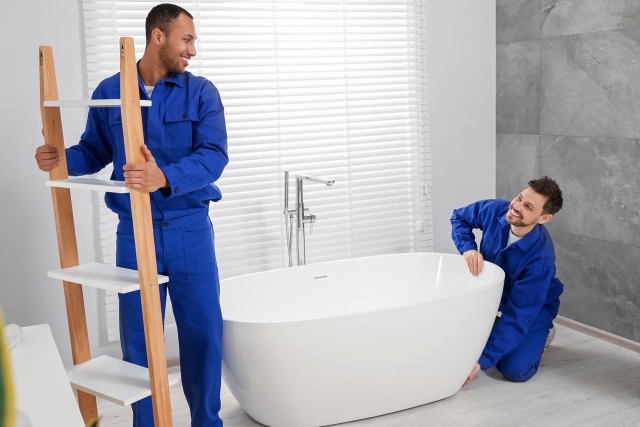
Our service helps you find a trusted specialist near you — whether you need a new bathtub installed, an old one replaced, or installation as part of a bathroom renovation.
How a bathtub is installed and why proper installation is critical
A modern bathtub (acrylic, steel, or cast iron) must not only look good but also be technically installed correctly. Mistakes at any stage can lead to cracks, leaks, and damage to the finish.
Base preparation.
Before installation, the following are checked:
floor levelness;
strength of the base;
presence of waterproofing;
location of the drainage outlet.
An uneven base can cause misalignment, creaking, and additional stress on the bathtub structure.
Frame assembly and installation (for acrylic models).
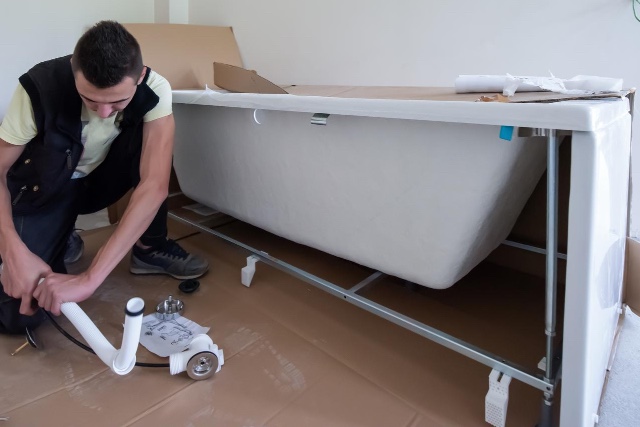
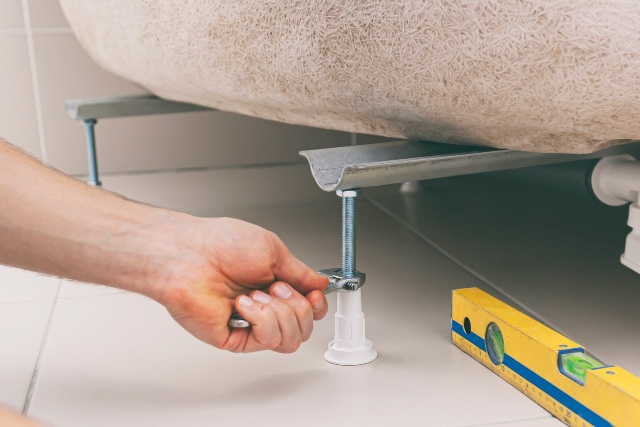
Acrylic bathtubs are installed on a metal frame or adjustable legs.
Important:
properly secure the frame;
evenly distribute the load;
ensure stability without wobbling;
level the bathtub precisely.
Improper frame assembly may cause bottom deformation and cracks over time.
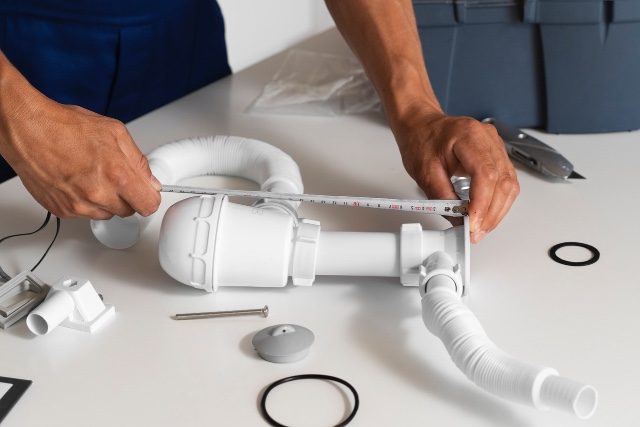
Drain and trap connection
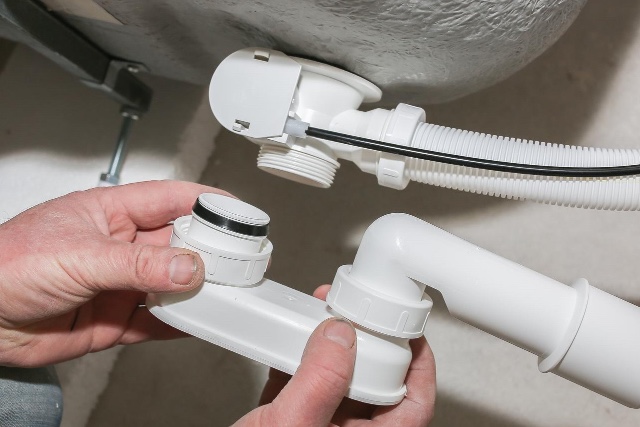
The drainage system must be completely watertight.
Critical points:
correct trap assembly;
overflow installation;
tight sealing of gaskets;
load testing (filling the tub completely with water).
Even a small connection error can cause a hidden leak under the bathtub that may only become noticeable much later.
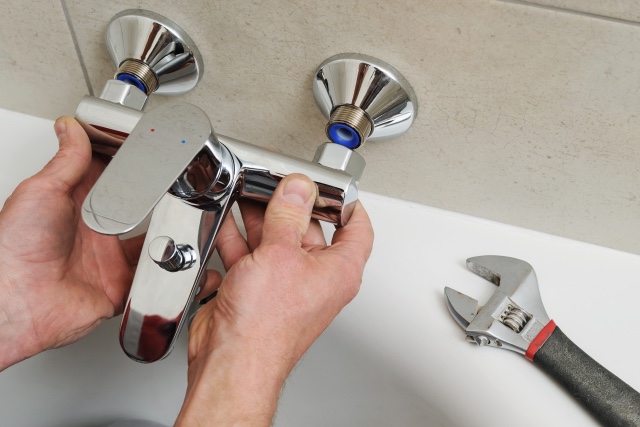
Faucet installation (if required)
If the faucet is mounted on the wall or on the bathtub rim, it is important to:
set the correct center distance;
ensure watertight threaded connections;
check water pressure;
eliminate leaks in concealed connections.
Leveling and final fixing
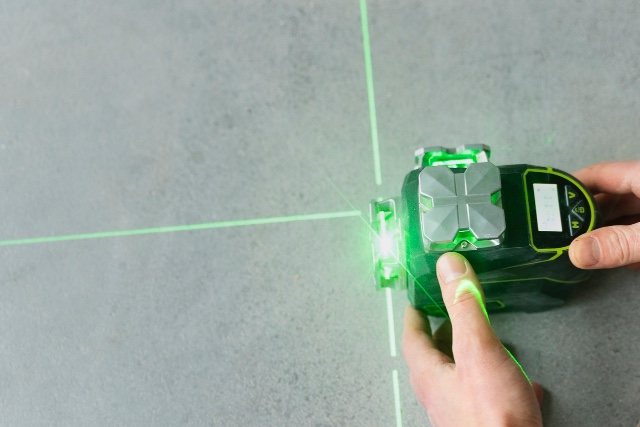
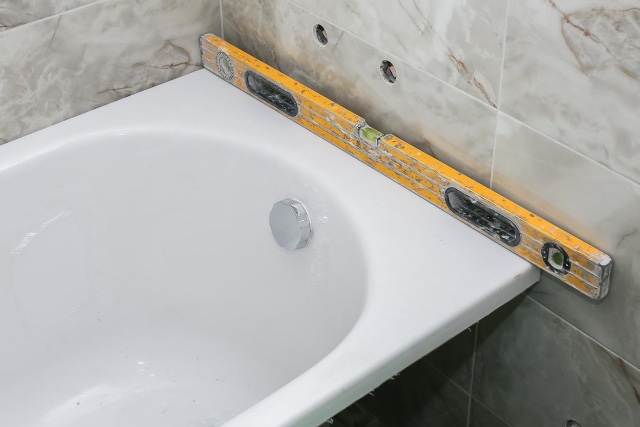
The bathtub must be installed strictly level, with a slight technical slope toward the drain.
Improper leveling can lead to:
water stagnation;
increased stress on the drain;
cracks in sealant joints;
moisture buildup along the edges.
Even a few millimeters of deviation can affect long-term durability.
Joint sealing
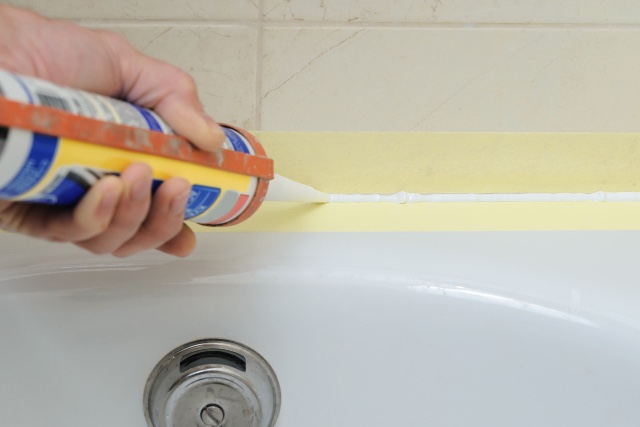
After installation, the joint between the bathtub and the wall is sealed.
The following materials are used:
sanitary silicone;
waterproofing tapes;
decorative trim borders (if necessary).
Installation is considered complete only after full leak and seal inspection.
What professional bathtub installation includes
Bathtub installation is a complete set of works aimed at safe and long-term use.
Site inspection. Checking floor level, wall condition, and communication layout.
Old bathtub removal (if required). Careful disconnection and removal without damaging tiles or pipes.
Frame assembly and installation. Proper fixing of legs or frame with precise leveling.
Drain and overflow connection. Watertight assembly and load testing.
Faucet connection. Inspection of connections and water pressure control.
Joint sealing. Professional treatment of joints to protect against moisture.
Full testing. Filling with water, checking drainage, and ensuring no leaks.
As a result, the client receives a securely installed bathtub without the risk of hidden leaks or finish damage.
Additional services
Acrylic bathtub installation
Acrylic bathtubs are lightweight but more sensitive to improper load distribution. Without proper support, the bottom may flex, leading to cracks and sealing issues over time.
The specialist:
correctly assembles and fixes the metal frame;
reinforces support points if necessary;
evenly distributes the load;
precisely levels the bathtub;
checks stability when fully filled with water.
▶︎ This ensures structural stability and extends the bathtub’s service life.
What to discuss:
whether additional base reinforcement is needed;
whether a decorative panel or tile cladding is planned;
whether convenient access to the drain trap will remain.
Cast iron or steel bathtub installation
Cast iron and steel models are heavier and require careful handling, precise positioning, and secure fixing.
During installation, it is important to:
verify floor and structural strength;
level the bathtub accurately;
ensure tight contact with walls;
minimize vibration and noise during water filling.
▶︎ Special attention is given to structural stability and operational safety.
What to discuss:
whether the structure can support the additional weight;
whether extra assistance is needed for lifting;
whether sound insulation or damping pads are required.
Drain trap and waste system replacement
The drainage system is one of the most vulnerable elements under the bathtub. Over time, gaskets lose elasticity, joints loosen, and plastic components may begin to leak.
The specialist:
removes the old trap;
installs a new drain and overflow system;
uses high-quality seals and gaskets;
tests all joints under full load (filled tub);
checks watertightness after draining.
▶︎ This significantly reduces the risk of hidden leaks and finish damage.
What to discuss:
the age of the current drainage system;
signs of moisture or odor under the bathtub;
whether a reinforced or easier-to-maintain trap is needed.
Decorative panel installation
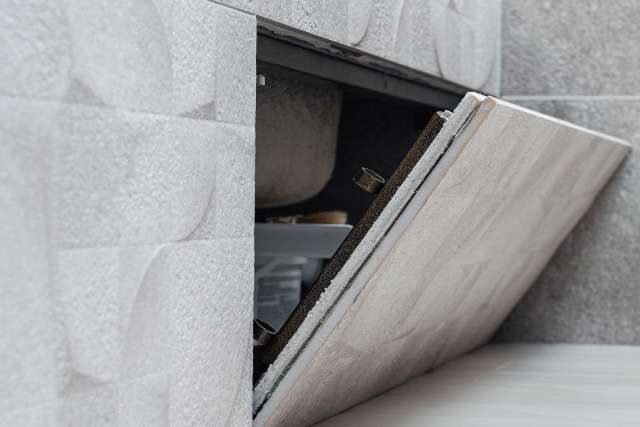
A decorative panel covers the space under the bathtub, conceals plumbing connections, and gives the bathroom a clean, finished look — while maintaining access to technical components.
During installation, the specialist:
selects the appropriate panel type (sliding, removable, or tile-ready);
aligns the structure precisely;
securely fixes all elements;
eliminates gaps and misalignment;
provides a service hatch or removable panel for drain access.
▶︎ The result is an aesthetically finished space with full maintenance accessibility.
What to discuss:
which panel type suits your bathtub model;
whether tile cladding is planned;
where the access hatch will be located;
whether ventilation under the bathtub is required.
Frequently asked questions (FAQ)
▸ Can I install a bathtub myself?
Technically yes. In practice, most issues — misalignment, weak sealing, incorrectly assembled traps — occur after DIY installation. Since a bathtub connects to both water supply and drainage, mistakes often appear only after the renovation is complete.
▸How long does installation take?
Under standard conditions, 2–4 hours. If removal of the old bathtub, pipe relocation, or tile adjustments are required, it may take longer.
▸Is testing necessary after installation?
Absolutely. The bathtub is filled completely with water, and all joints, drain, and overflow are checked. Only after this test can watertightness be confirmed.
▸Why is precise leveling important?
Even a slight tilt can cause water pooling, uneven load distribution, and premature sealant failure.
▸ Should the drain trap be replaced when installing a new bathtub?
It is recommended. Old gaskets lose elasticity, and worn threaded joints may leak. Saving on a trap often leads to future repairs.
▸ Can the space under the bathtub be fully tiled over?
Yes, but a service hatch must be installed. Access to the drain is essential.
▸ Is waterproofing mandatory?
Yes, especially in apartments. Waterproofing protects floor structures and reduces the risk of neighbor-related issues.
▸Why is there moisture under a new bathtub?
Usually due to a micro-leak in the drain connections or poorly sealed wall joints.
▸ Is slight flexing in an acrylic bathtub normal?
Minimal movement can be acceptable, but noticeable flexing indicates improper installation or weak support.
▸ Can the drain be relocated?
Yes, but this involves plumbing adjustments — correct pipe slope and diameter must be maintained.
▸ How long does a properly installed bathtub last?
With correct installation and normal use, 10–20 years or more, depending on the material.
▸ Why is professional installation recommended?
Because a bathtub involves pressurized water and concealed connections. A single mistake in one joint can cost far more than the installation itself.
Platform capabilities
Expert
I can provide repair and construction services in Spain
 Request your free quote