A toilet is one of the most heavily used plumbing fixtures in any home, used many times every day. As long as it works properly, it usually goes unnoticed. But when leaks appear, there is a sewer smell, constant moisture on the floor, noise during flushing, or the toilet starts to wobble, comfort quickly turns into an issue of hygiene, safety, and protecting your renovation.
Toilet installation or replacement in Spain is needed not only when something breaks. This service is often requested during bathroom renovations, relocation, replacement of old sanitary ware, upgrading to a wall-hung toilet with an installation system, or when renewing drainage connections. In Spanish apartments and houses, you can encounter different outlet types, risers, and connection systems, which is why “just replacing a toilet” often turns out to be a task with technical nuances.
Our service helps you quickly find a trusted plumber near you — without random contractors, with a clear process and a neat, reliable result.
What professional toilet installation or replacement includes
Installing a toilet is not just about fixing it in place and connecting the water. A professional service includes diagnosing existing connections, checking compatibility of the selected model, and installation with mandatory testing for tightness and structural stability. This is especially important in Spain, where one home may have modern drainage systems while another still has outdated pipes or non-standard connections.
Types of toilets and what to consider when choosing
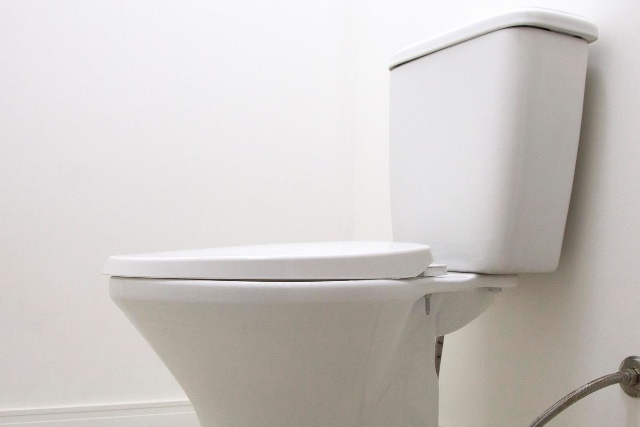
Floor-standing toilet with cistern
The most common option for apartments and houses. It is easy to maintain, simple to replace, and well suited for standard layouts.
▶︎ As a result, you get a reliable and straightforward system with no hidden elements, easy to service and repair if needed.
What to check with the plumber:
Does the toilet outlet match the existing drainage system?
What is the condition of the floor and old fixings?
Does the flexible connector or siphon need replacement?
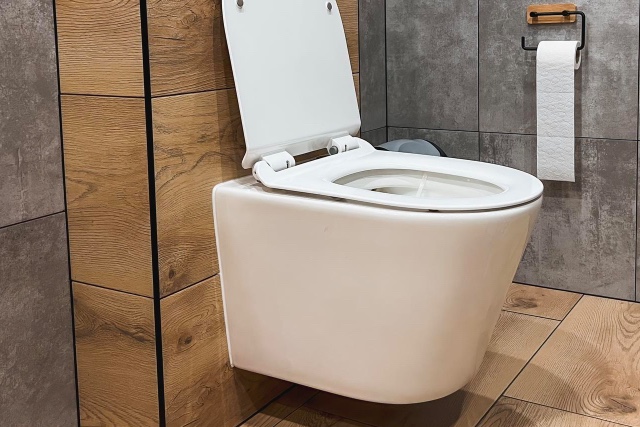
Wall-hung toilet with installation frame
A modern solution where the cistern and fixings are hidden inside the wall, leaving only the bowl and flush button visible.
▶︎ As a result, the bathroom looks cleaner, shows less clutter, and feels visually lighter.
What to check with the plumber:
Is the wall suitable for an installation frame?
Can installation be done without major renovation work?
Will there be access to the cistern for maintenance?
Toilets with horizontal, vertical, or angled outlet
The outlet type must exactly match the existing drainage. Mistakes at this stage are a common cause of odors and leaks after installation.
▶︎ When chosen correctly, the outlet provides a tight connection and stable operation without unpleasant surprises.
What to check with the plumber:
What outlet type is currently installed?
Are adapters or connection changes required?
Will replacement affect the installation height?
Monoblock and compact models
The bowl and cistern are integrated into a single unit, reducing the number of connections.
▶︎ In everyday use, this lowers the risk of leaks and simplifies replacement of older models.
What to check with the plumber:
Does the model fit the available space?
Is water pressure sufficient?
Does the water supply hose need replacement?
When you shouldn’t delay toilet replacement
There are situations where replacing a toilet is not about aesthetics or convenience, but about preventing more serious problems. The longer you postpone the decision, the higher the risk of damage to finishes, persistent odors, and additional costs.
You should replace the toilet without delay if:
cracks, chips, or micro-leaks appear — even small ceramic damage tends to worsen over time and can lead to sudden leaks;
the toilet wobbles or has lost stability — this puts stress on the ceramic and connections, often resulting in cracks and loss of sealing;
there is a constant sewer smell that doesn’t disappear after cleaning — usually caused by faulty connections or worn seals;
the cistern works inconsistently, makes noise, or constantly refills — these are signs of worn fittings or system malfunction;
old sanitary ware has lost its tightness and regularly produces small leaks, even if it still looks “acceptable” visually.
In these cases, timely and properly performed toilet replacement is noticeably cheaper and less stressful than dealing with flooding, odors, and repeated dismantling later on.
How toilet installation or replacement is done: step by step
Work starts not with installation, but with understanding the initial conditions. Even if the task seems simple, an experienced plumber always evaluates the situation first — this determines whether the toilet will work reliably or problems will appear in a few weeks.
On-site diagnostics. The plumber inspects the drainage outlet, outlet type, pipes, water supply, floor, and tiles. Slopes, signs of previous leaks, odors, cracks, and non-standard connections are checked. This helps determine whether standard replacement is sufficient or adjustments are needed.
Water shut-off and removal of the old toilet. Water is fully shut off, the cistern is emptied, and the toilet is carefully dismantled. Fixings and connections are removed without damaging pipes, supply lines, or finishes — especially important when existing tiles are preserved.
Base preparation. The installation area is cleaned and checked for level and strength. Even slight unevenness creates constant stress on the ceramic. If needed, the plumber levels the base or proposes a solution to prevent wobbling and future cracks.
Connection to drainage. Suitable seals, flexible connectors, or rigid fittings are selected depending on the outlet type and drainage system. All joints are installed in the correct position and sealed to prevent leaks and odors.
Water connection and cistern adjustment. The water supply is connected, cistern fittings are checked, and water level and flushing performance are adjusted. Excess noise or incorrect operation is eliminated.
Load testing. Several flushing cycles are performed. The plumber checks all connections for leaks, toilet stability, and absence of odors or unusual sounds, fixing minor issues immediately if needed.
Final inspection and result. At the end, the plumber confirms that the toilet is securely fixed, stable, quiet, and functioning correctly. The client gets not just a newly installed toilet, but confidence that it’s ready for daily use without surprises.
Frequently Asked Questions (FAQ)
▸How long does toilet replacement usually take?
In most cases, it takes 1–2 hours. However, it’s worth checking the condition of the drainage and base — hidden issues may extend the time.
▸Can the toilet be replaced without renovating the whole bathroom?
Usually yes — replacement is done without removing tiles or finishes. The plumber should still check the condition of the floor under the old unit.
▸Does the flexible connector really need replacement?
In most cases, yes — especially if it’s old or has lost elasticity. Ask whether a rigid connection would be better for your setup.
▸Why can there be a smell after replacement even if everything is new?
Most often, it’s related to the drainage connection, not the toilet itself. Clarify how sealing is done and which seals are used.
▸Can a wall-hung toilet be installed in an old building?
Sometimes yes, and quite successfully. It’s important to assess wall condition and required work in advance.
▸Is slight wobbling after installation acceptable?
No — a properly installed toilet must be completely stable. Ask whether the base was leveled and tested under load.
▸Will any toilet fit my drainage system?
Not always — it depends on the outlet type. Check whether adapters or alternative connections are needed.
▸Can only the cistern be replaced if the bowl is fine?
Sometimes, but not for all models. Ask about compatibility and whether replacement makes sense.
▸Why can the cistern be noisy after installation?
Usually due to fitting adjustment or water pressure. Ask if regulation was done and whether a pressure reducer is needed.
▸Is installation on underfloor heating allowed?
In most cases, yes — but the fixing method and protection of heating elements must be confirmed.
▸Why does moisture appear under a new toilet?
Typically due to sealing issues. Ask whether the system was tested under load, not just visually.
▸Is it better to buy a toilet in advance or after consultation?
Many people buy in advance, but that’s not always optimal. Check compatibility with your system first.
▸Can a toilet be replaced on the same day?
Often yes, if the model fits and there are no hidden issues. Confirm availability of all components.
▸Why does water drain slowly after replacement?
Usually due to slope or connection issues. Ask whether drainage geometry was checked.
▸Is there a difference between toilets for new builds and old homes?
Mostly in the plumbing, not the toilet itself. Pipe condition and outlet type should be assessed.
▸ Can a floor-standing toilet be replaced with a wall-hung one without major renovation?
Sometimes, but not always. Check wall suitability and scope of work.
▸Why does odor remain even without visible leaks?
Often due to a faulty water seal. Ask about the connection layout and sealing elements.
▸Should the water supply hose be replaced during toilet replacement?
In most cases, yes — especially if it’s old. Ask about material and condition.
▸Can I install a toilet myself if I have experience?
Sometimes, but risks remain. It’s useful to ask a professional about weak points in your system.
▸When should replacement definitely not be delayed?
If there are cracks, odors, wobbling, or regular leaks. In such cases, it’s better to clarify the scope and solution immediately rather than deal with consequences later.
Platform capabilities
Expert
I can provide repair and construction services in Spain
 Request your free quote