Bathroom plumbing is the foundation of everyday comfort, hygiene, and safety. This is the space where equipment is used most frequently, which means that any installation mistakes tend to show up quickly — in the form of leaks, dampness, unpleasant odors, or damage to finishes. High-quality installation helps prevent these issues and ensures the system works reliably for years.
Installing plumbing in a bathroom is not just about connecting individual fixtures — it’s a комплексный процесс that includes preparing the коммуникации, precise installation of equipment, and thorough leak testing. A professional approach is especially important during renovations or when replacing old components, as it requires assessing pipe condition, water pressure, and the specifics of the space.
If you’re upgrading your bathroom, doing renovations, or replacing individual fixtures, it’s important to trust a professional to avoid unnecessary costs and rework later.
Installation of toilets, sinks and bidets
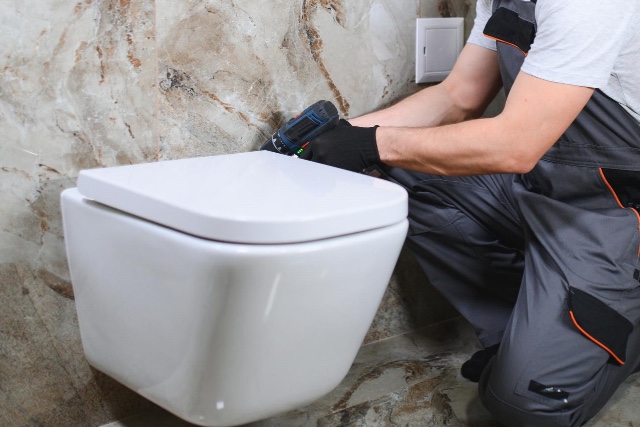
Even basic plumbing fixtures require precision during installation. Incorrect connections can lead to leaks, unpleasant odors, or instability. A professional checks the condition of drainage and water supply lines, ensures proper alignment, securely fixes the fixtures, and seals all connections.
▶︎ As a result, everything works reliably, with no leaks or need for adjustments after installation.
What to discuss in advance:
type of fixture (wall-mounted or floor-standing);
condition of water and drainage outlets;
whether old fixtures need to be removed;
whether mounting hardware and traps are included.
Bathtub and shower installation
Bathtubs and shower areas are subject to constant exposure to water, making proper installation critical. Mistakes here often appear only after some time. A specialist prepares the base, levels the structure, connects the drain and overflow, and carefully seals all joints.
▶︎ The result is no leaks, smooth drainage, and long-lasting performance.
What to clarify:
type of bathtub or shower (acrylic, steel, tray, walk-in);
access to the trap;
need for panels or platforms;
sealing and waterproofing details.
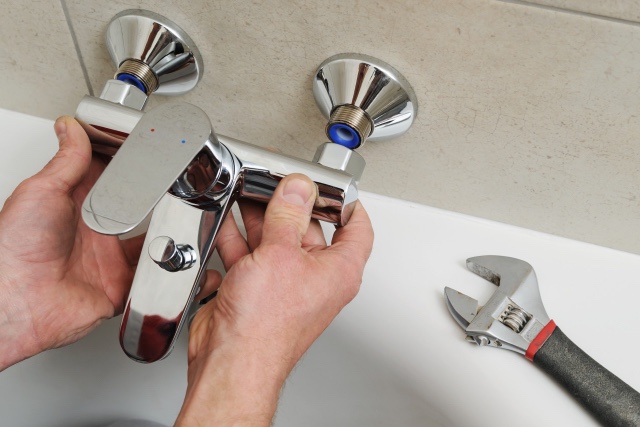
Faucet installation and connection
Faucets are among the most frequently used elements in the bathroom, so even small installation errors quickly become noticeable. A professional selects the right fittings, installs proper seals, connects hot and cold water correctly, and checks for leaks.
▶︎ The faucet operates smoothly, without drips, noise, or temperature fluctuations.
What to consider:
type of faucet (wall-mounted, built-in, thermostatic);
condition of pipes and connections;
need to replace fittings or hoses.
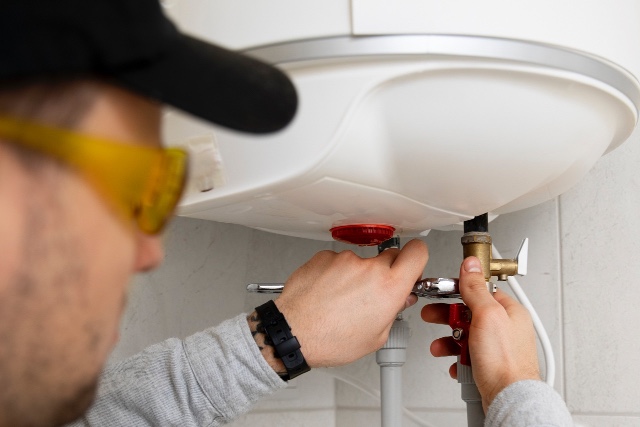
Connection of appliances and additional equipment
Bathrooms often include washing machines, boilers, filters, and leak protection systems. A specialist takes water pressure into account, installs shut-off valves and safety components, and tests the equipment.
▶︎ This reduces the risk of accidents and extends the lifespan of appliances.
What to clarify:
availability of dedicated water and drainage connections;
need for additional valves or protection;
compatibility with water pressure requirements.
Turnkey bathroom plumbing installation
During renovations, the most efficient solution is to install all plumbing at once. The specialist plans the workflow, installs all fixtures, and tests the entire system.
▶︎ You get a fully functional bathroom where everything works together seamlessly.
What to agree on in advance:
list of equipment;
installation stages;
timeline;
scope of work and total cost.
Replacement and upgrade of old plumbing
Over time, even high-quality plumbing wears out — leaks, poor drainage, and odors may appear. A professional performs diagnostics, identifies problem areas, and replaces components without unnecessary damage to finishes.
▶︎ This helps prevent major issues and protects your renovation.
What to discuss:
current problems;
age and condition of pipes;
possibility of partial replacement;
cost of work and materials.
How to choose a bathroom plumbing specialist
Plumbing installation is not just about speed — precision matters just as much. Problems don’t always appear immediately: everything may seem fine at first, but issues like leaks or pressure problems can arise later. That’s why it’s important to look beyond price and focus on the specialist’s approach.
Here’s what to pay attention to:
Experience and specialization. A good plumber doesn’t just “install everything” — they understand the details. They ask about equipment type, pipe condition, and the specifics of your bathroom.
Ability to work with different systems. Modern bathrooms often include installations, built-in faucets, and shower systems. Make sure the specialist has real experience with these solutions.
Assessment of existing communications. A professional evaluates pipes, connections, and water pressure. If there are risks, they will point them out in advance.
Clear and transparent pricing. A reliable specialist explains what’s included: installation, materials, dismantling. If the price is given without questions — it’s worth.
Accuracy in work. Good installation means not only no leaks, but also neat, level, and clean work without damaging finishes.
Warranty on work. This is a key indicator of responsibility. If a specialist offers a warranty, they stand behind their work.
Communication and approach. Pay attention to how the specialist communicates: do they ask questions, explain details, and warn about potential issues? This often says more than anything else.
In the end, a good specialist is someone who not only installs plumbing but does it with attention to every detail — ensuring the system works reliably and without problems in the long term.
Frequently asked questions (FAQ)
▸ How much does bathroom plumbing installation usually cost?
In most cases, it depends on the scope of work. Simple installations (like a faucet or sink) are relatively inexpensive, while full bathroom installations cost more. It’s important to clarify what’s included to avoid unexpected charges.
▸ Can I install just one fixture?
Yes, this is very common — many people request installation of a single item like a toilet or faucet. Just keep in mind there may be a minimum service call fee.
▸ How long does installation take?
A single fixture typically takes 30–90 minutes. More complex work like a bathtub or shower can take several hours. Full installation usually takes 1–2 days.
▸ Do I need to buy everything in advance?
Either option works. You can purchase everything yourself or have the specialist handle it. In the latter case, they usually choose compatible parts and save you time.
▸ Can plumbing be installed in a finished bathroom?
Yes, if the existing connections are in good condition. Sometimes minor adjustments are needed — that’s normal.
▸ Do pipes need to be replaced when installing new fixtures?
Not always. If they’re in good condition, they can remain. If not, replacement may be recommended.
▸ Why do leaks sometimes appear after installation?
Often due to worn pipes or hidden issues. A good specialist checks the system beforehand.
▸ Can installation be done in stages?
Yes, especially during renovations — first rough work, then final installation.
▸ Is the work messy or noisy?
Usually minimal. Professionals work carefully; noise mainly occurs during dismantling.
▸ What is included in “turnkey” installation?
Typically full installation of all fixtures, connections, sealing, and system testing.
▸ What exactly is included in the price?
Ask whether materials, dismantling, and minor adjustments are included.
▸ Do I need to pay extra for materials?
Often yes — items like seals, hoses, and fittings may be separate.
▸ Will the specialist check the whole system?
It’s better if they do — it reduces future risks.
▸ Is there a warranty?
Reliable specialists always provide one — clarify the terms.
▸ What if something goes wrong after installation?
Ask how issues are handled and how quickly they are resolved.
▸ Who is responsible for sealing and final checks?
This is critical — don’t assume, confirm.
▸ Can the price change during the job?
Yes, if hidden issues appear. A good specialist will warn you in advance.
▸ Do I need to be present?
Preferably at the start, then by agreement.
▸ Is my chosen equipment compatible?
Sometimes adapters or adjustments are needed — better to check beforehand.
▸ Does the specialist remove old fixtures?
Usually yes, but it may cost extra.
▸ Who shuts off the water?
Typically the specialist, but access must be available.
▸ Can I schedule a specific time?
Yes, though slight delays can happen.
▸ Are urgent or weekend services available?
Often yes, sometimes at a higher cost.
▸ How do I know the work is done properly?
No leaks, no odors, no noise — everything should function smoothly.
▸ Can I get advice before booking?
Yes, a good specialist will clarify details and suggest solutions in advance.
Platform capabilities
Expert
I can provide repair and construction services in Spain
 Request your free quote