Boiler repair in Spain: how to restore warmth and peace of mind at home
Boiler repair in Spain is not just about fixing a malfunction — it is work directly connected to home safety, comfort, and compliance with local regulations. Gas and electric boilers are used year-round: in winter for heating, and throughout the year for hot water. That is why even a minor issue can quickly turn into a serious household problem.
Whether it’s a city apartment, a townhouse, or a private villa, the boiler is one of the key components of a home’s engineering system. For this reason, boiler repair in Spain is treated with particular care and responsibility. If you live in the country permanently or manage property remotely, it is essential to have access to a trusted professional who understands local regulations and works officially. Our service helps you quickly find such a specialist — without risk, guesswork, or unpleasant surprises.
Regulations and requirements: technical aspects of boiler repair
From an engineering perspective, repairing a boiler means intervening in combustion systems, heat exchange processes, and automated safety controls. In Spain, this type of work is strictly regulated because boilers operate with gas, electricity, pressure, and high temperatures simultaneously.
1. Combustion process control.
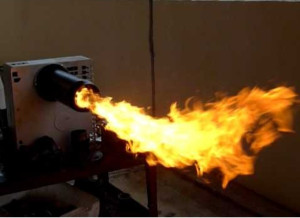
A gas boiler is not just a “water heater” — it is a precisely calibrated system balancing gas and air supply. After repair, a specialist must check - the correct gas–air ratio in the combustion chamber; - flame stability and absence of lifting or sooting; - flue gas parameters; - absence of gas leaks in the supply line.
Incorrect adjustment can lead to increased CO (carbon monoxide) production, reduced efficiency, and overheating of the heat exchanger.
2. Heat exchange system and pressure.
The heat exchanger is one of the most heavily loaded components. In Spain’s hard water conditions, it is prone to limescale buildup, which: - reduces heat transfer; - increases gas consumption; - causes localized overheating; - accelerates equipment wear.
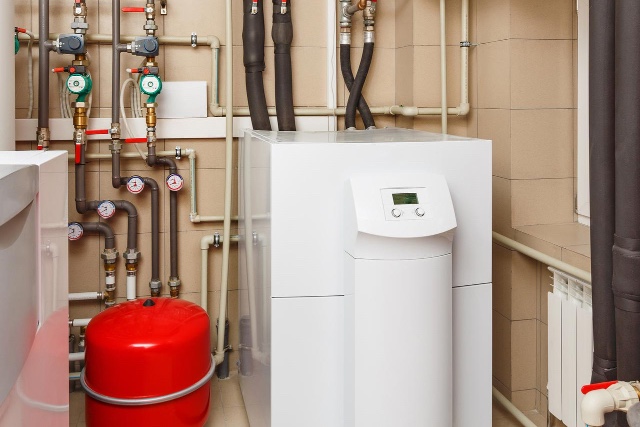
During repair, it is important not only to fix the immediate issue but also to check system pressure, the condition of the expansion vessel, and the proper operation of the circulation pump.
3. Automation and safety sensors.
Modern boilers include multiple safety levels: - flue draft sensor; - overheating sensor; - water pressure monitoring; - flame detection control; - electronic control board.
After any intervention, the technician must verify that all safety systems operate correctly. A boiler that “turns on” is not necessarily operating safely.
4. Flue and ventilation.
Spanish homes require particular attention to flue systems and exhaust ventilation. Poor draft or partial blockage can lead to carbon monoxide accumulation. During repair, the technician checks: - joint tightness; - condition of the coaxial pipe or chimney; - adequacy of air intake ventilation.
5. Energy efficiency and proper calibration.
Even after a successful repair, the boiler must be properly calibrated. Incorrect settings may result in: - increased gas consumption; - frequent on/off cycling; - accelerated component wear.
A competent specialist evaluates not only the malfunction but also the overall system efficiency.
In short, technically correct boiler repair in Spain is a comprehensive process: combustion control, heat exchange verification, automation diagnostics, and safety system testing. The goal is not simply to make the boiler work again, but to ensure stable, safe, and energy-efficient operation in the long term.
Common boiler problems in Spain
The nature of malfunctions depends largely on usage conditions and property type.
▶︎ Equipment age and condition
Many apartments still operate boilers installed 10–20 years ago. Even if they “still turn on,” such models typically: - operate at their limits; - are less energy efficient; - break down more often during heating season.
▶︎ Water quality and limescale
Hard water is common across many regions of Spain. Without filtration and regular servicing, it leads to limescale buildup, reduced heat output, and system overload.
▶︎ Seasonal load
In winter, boilers run almost continuously; in summer, they provide hot water. When maintenance is postponed, breakdowns usually occur at the most inconvenient time — during cold weather or peak use.
Types of boilers: which one do you have?
Spanish homes typically use several boiler types. The design affects operation, common faults, maintenance requirements, and repair costs.
Atmospheric gas boilers (older models)
These use indoor air for combustion and are mostly found in older buildings.
Features:
open combustion chamber;
reliance on natural draft;
high ventilation requirements.
They are less energy efficient and more sensitive to chimney issues. Many are gradually being replaced with modern systems.
Turbocharged boilers (sealed combustion)
These draw air from outside through a coaxial pipe and are widely installed in apartments and townhouses.
Features:
sealed combustion chamber;
forced exhaust via fan;
stable performance.
Common issues:
fan malfunction;
draft sensor errors;
automation faults.
Repairs include checking the integrity of the coaxial flue and fan performance.
Condensing boilers (modern models)
The most energy-efficient type, widely installed in recent years.
How they work: They recover additional heat from water vapor condensation in flue gases, achieving higher efficiency and lower fuel consumption.
Advantages:
lower gas consumption;
reduced emissions;
high efficiency with low-temperature systems.
Repair considerations:
sensitivity to heat exchanger condition;
condensate drainage system maintenance;
more complex electronics.
Electric boilers
Less common but used where gas is unavailable.
Features:
no combustion process;
simpler construction;
dependent on electrical stability.
Typical issues involve heating elements, thermostats, and control boards.
Diesel boilers (private homes and villas)
More common in rural properties.
Features:
operate on liquid fuel;
require storage tanks;
sensitive to fuel quality.
Repairs often involve injectors, fuel pumps, and combustion chambers.
How boiler repair works step by step
Initial diagnosis. Repair begins with diagnostics, not part replacement. The technician checks system pressure, automation, heat exchanger condition, pump operation, sensors, leaks, and error codes.
Explanation and agreement. After diagnosis, the issue and available solutions are explained clearly. Options may range from minor adjustment to more extensive repair. Scope, cost estimate, and timeline are agreed upon before work begins.
Repair, adjustment and testing. Components are cleaned, replaced, or adjusted as needed. Special attention is given to safety systems. Finally, the boiler is tested in both heating and hot water modes to confirm stable and safe operation.
How to choose a boiler repair specialist in Spain
Choose a specialist, not a general handyman. Boiler systems require specific expertise in combustion and safety automation.
Ensure knowledge of Spanish regulations. A good technician understands local gas, ventilation, and safety standards.
Diagnosis comes first. No professional replaces parts without inspection.
Clear explanations matter. You should understand the problem and available options.
Agree on pricing beforehand. Discuss scope, estimated cost, and possible additional expenses.
Safety is the priority. Leak checks, sensor verification, and correct combustion adjustment are essential.
An honest specialist may recommend replacement. If the boiler is outdated and inefficient, replacement may be the wiser long-term solution.
Frequently asked questions (FAQ)
Below are practical answers reflecting how boiler repair typically works in Spain.
▸ Should I call a technician if the boiler still works?
If it’s unstable, noisy, or losing pressure — yes. Minor issues often become major failures during winter.
▸What happens during the first visit?
The technician performs a full diagnostic before suggesting solutions.
▸How much does repair cost?
Costs depend on boiler type and fault. Diagnostics are usually paid first, then repair options are provided.
▸Do parts always need replacing?
Not always. Cleaning or adjustment often solves the issue.
▸Why does pressure drop repeatedly?
Possible micro-leaks or expansion vessel issues. Simply refilling water is not a real solution.
▸Does hard water affect boilers?
Yes, significantly. Limescale reduces efficiency and causes overheating.
▸When is replacement better than repair?
If the unit is over 12–15 years old and parts are expensive, replacement may be more cost-effective.
▸What should be agreed upon before repair?
Scope of work, estimated price, timeline, and warranty on parts.
▸Should I be present during repair?
Preferably, to approve additional findings and receive usage advice.
▸Is safety testing included?
Yes. Sensors, pressure, and combustion stability must be verified.
▸Why does the boiler make loud noises?
Often due to ignition issues, burner contamination, or improper adjustment. ▸Can I postpone repairs?
Sometimes — but delays often increase costs.
▸What about rental properties?
Repairs are typically coordinated with the property owner.
▸Can repair reduce gas bills?
Yes, especially after cleaning and proper recalibration.
▸Should I keep repair documentation?
Yes, for resale, insurance, or future service records.
▸How do I choose the right technician?
Look for specialization, proper diagnostics, transparent pricing, and regulatory knowledge.
▸What parts fail most often?
Sensors, pumps, three-way valves, control boards — and heat exchangers in hard water areas.
▸Is annual servicing necessary?
Yes. Preventive maintenance is cheaper than emergency repairs.
▸Why does hot water fluctuate?
Likely due to scaling or valve switching issues.
▸How does a professional service platform help?
It reduces risk and connects you with verified specialists who work legally and transparently in Spain.
Platform capabilities
Expert
I can provide repair and construction services in Spain
 Request your free quote