A tap (faucet) is one of the most frequently used plumbing fixtures in any home. It’s used dozens of times a day, so even minor installation mistakes or worn components can quickly lead to leaks, temperature fluctuations, noise, or reduced water pressure. Proper installation and timely replacement ensure comfortable use and help prevent more serious issues.
Installing or replacing a tap is not just about fixing it onto a sink or bathtub. It involves connecting to the water supply, checking pressure, sealing all joints, and ensuring everything works correctly. It’s important to consider the type of mixer, the condition of the pipes, and the compatibility of all components.
If your tap is leaking, not regulating temperature properly, or you simply want to install a new model, it’s best to rely on a professional. This helps avoid leaks, damage to fixtures, and unnecessary costs.
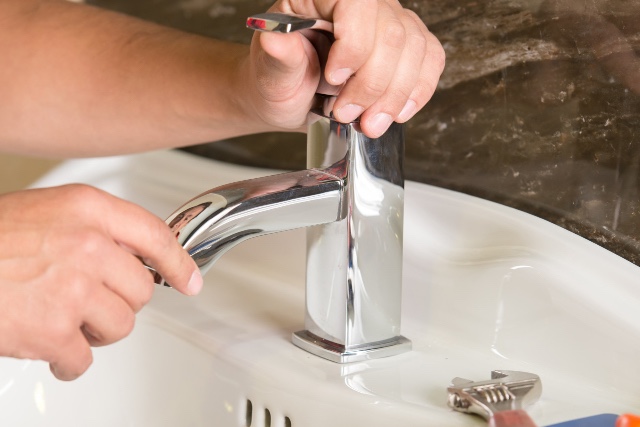
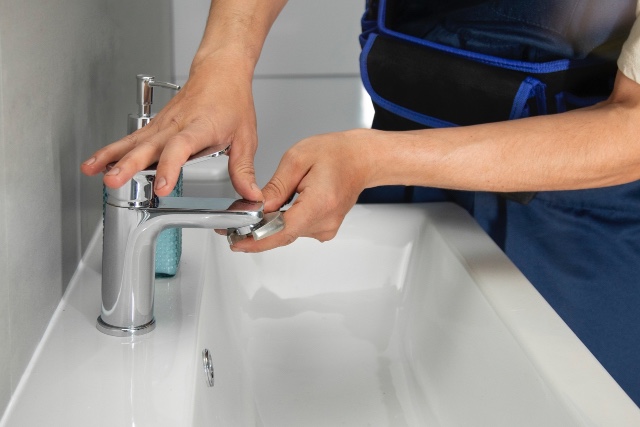
Sink tap installation
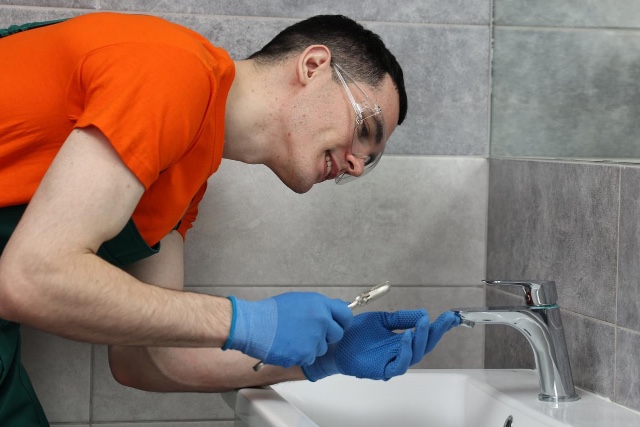
Sink taps are used very frequently, so installation must be precise and reliable. The technician installs the tap, connects hot and cold water, and checks for proper sealing and operation.
▶︎ The tap runs smoothly, without leaks, noise, or temperature fluctuations.
What to discuss in advance:
type of tap (single-lever, dual-handle, touchless);
number of holes in the sink;
condition of supply lines;
whether hoses need replacing.
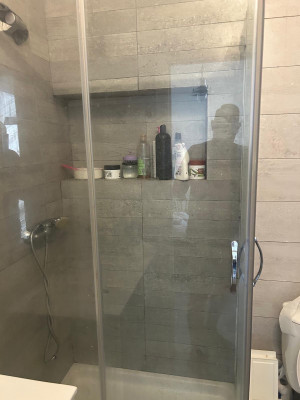
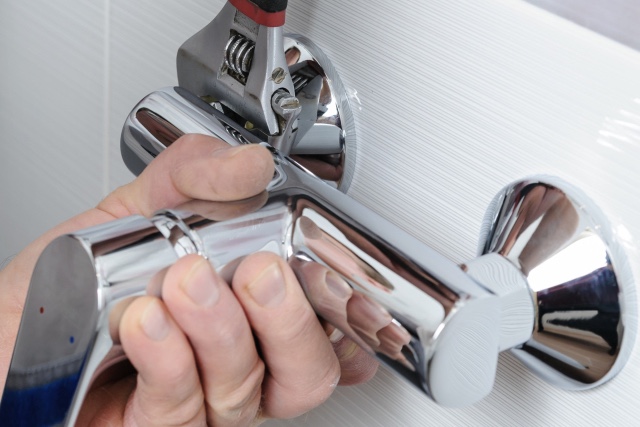
Bathtub or shower tap installation
Bath and shower taps have their own specifics, especially with wall-mounted setups. The specialist installs and aligns the tap, connects the water supply, and checks the diverter function.
▶︎ Water flows steadily, switching between shower and spout works properly, and there are no leaks.
What to consider:
distance between water outlets;
condition of fittings and connectors;
type of mounting (wall-mounted or built-in);
need to replace seals.
Replacing an old tap
Over time, taps wear out: leaks appear, water pressure drops, and temperature control becomes inconsistent. The technician carefully removes the old tap and installs a new one, taking into account the condition of pipes and connections.
▶︎ The new tap works reliably, without leaks or unnecessary noise.
What to discuss beforehand:
reason for replacement;
condition of existing connections;
need for additional parts;
compatibility of the new tap.
Leak repair and minor tap fixes
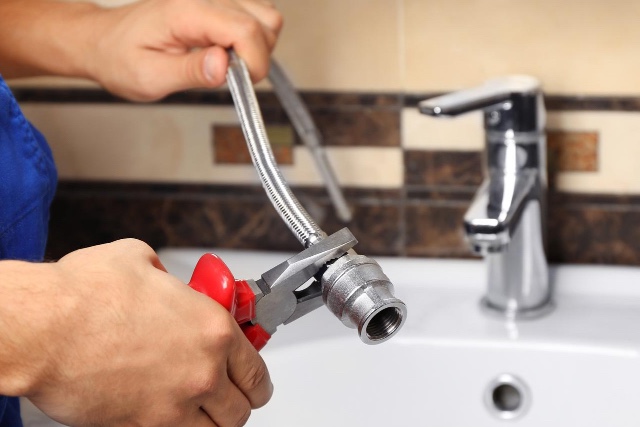
A full replacement isn’t always necessary—sometimes a repair is enough. The specialist identifies the issue (worn seals, cartridge, or fittings) and fixes it.
▶︎ The tap stops leaking and operates smoothly again.
What to уточнить beforehand:
exact location of the leak;
age of the tap;
availability of spare parts;
whether repair is cost-effective.
Replacement of cartridge, seals and flexible hoses
Many tap issues are caused by worn internal components. The technician replaces cartridges, seals, hoses, and other consumable parts.
▶︎ The tap’s performance is restored without full replacement.
What to discuss:
type of cartridge;
condition of supply hoses;
presence of filters;
water quality.
Installation of taps with additional features
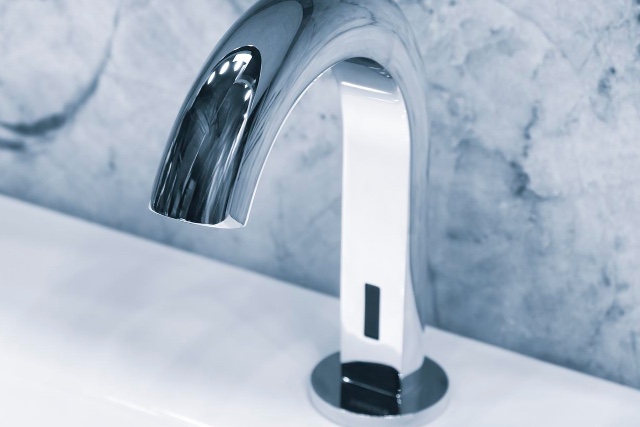
Modern taps may include pull-out spray heads, touchless control, or built-in filtration. The specialist installs the unit and connects all additional features properly.
▶︎ The tap works smoothly and all functions operate without issues.
What to clarify in advance:
tap type and features;
water pressure requirements;
power supply (for touchless models);
system compatibility.
How to choose a tap installation specialist
Even a seemingly simple fixture like a tap requires proper installation. Mistakes can lead to leaks and damage to furniture or finishes.
Here’s what to look for:
Experience and expertise A good technician regularly works with different types of taps and understands installation nuances.
System inspection A professional checks water pressure, pipe condition, and connections.
Careful workmanship The tap should be installed without damaging the sink, tiles, or furniture.
Transparent pricing You should clearly understand what’s included: installation, materials, removal.
Work guarantee A sign of quality and responsibility.
Communication The specialist explains details, asks questions, and warns about potential issues.
As a result, you get a properly installed tap that works reliably and without problems.
Frequently Asked Questions (FAQ)
▸ How much does tap installation or replacement cost?
The price depends on the type of tap and the complexity of the work. Basic installation is relatively inexpensive, while more complex cases cost more.
▸ Can I replace just one tap?
Yes, absolutely. This is one of the most common requests.
▸ How long does it take?
Usually 30–60 minutes.
▸ Do I need to buy the tap in advance?
You can either purchase it yourself or rely on the technician’s recommendation.
▸ Why does a tap start leaking?
Most often due to worn seals or cartridges.
▸ Can a tap be repaired instead of replaced?
Yes, if the issue is with components rather than the body.
▸ Do I need to shut off the water?
Yes, this is essential.
▸ Can I install a tap myself?
Technically yes, but mistakes often lead to leaks.
▸ Should hoses be replaced during installation?
It’s recommended, especially if they are old.
▸ Will there be noise or mess?
The work is usually quick and clean.
▸ What is included in the price?
Confirm: installation, removal, sealing, and testing.
▸ Do materials cost extra?
Often yes (hoses, seals, adapters).
▸ Will the whole system be checked?
This reduces the risk of issues after installation.
▸ Is there a warranty?
Reliable professionals provide a warranty.
▸ What if a leak appears after installation?
Clarify warranty service conditions.
▸ Can the price change?
Sometimes—if additional issues are discovered.
▸ Is the selected tap compatible with your pipes?
Adapters or adjustments may be needed.
▸ Is there access to shut-off valves?
Important for carrying out the work.
▸ Do I need to be present?
Preferably at the beginning.
▸ Can I schedule an exact time?
Yes, but slight delays are possible.
▸ Do technicians work urgently or on weekends?
Yes, but it may cost more.
▸ How can I tell the job is done well?
No leaks, smooth operation, and dry connections.
▸ Can I get a consultation beforehand?
Yes, and it helps avoid mistakes.
Platform capabilities
Expert
I can provide repair and construction services in Spain
 Request your free quote