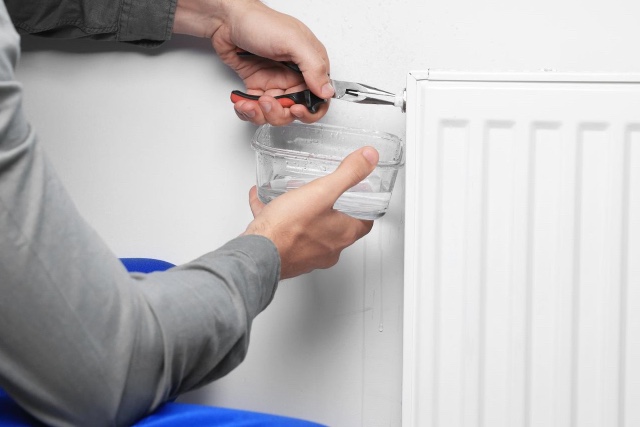
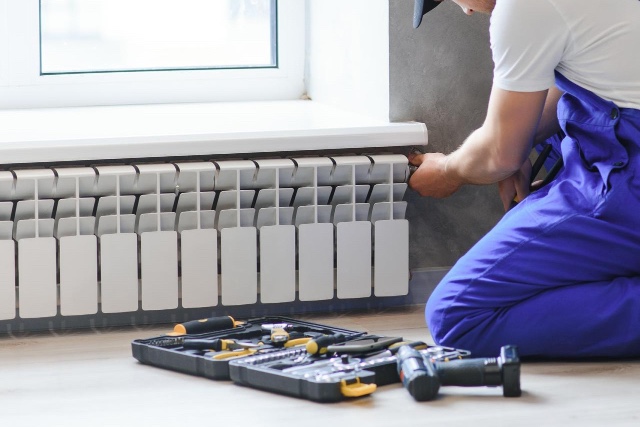
Water radiators are a key element of any heating system, directly affecting comfort during the colder months. They ensure even heat distribution, maintain a stable indoor temperature, and impact the overall energy efficiency of the system. Poor installation can lead to uneven heating, air locks, leaks, or increased heating costs. Professional installation helps prevent these issues and ensures reliable performance for years.
Installing water radiators is not just about mounting a unit on the wall and connecting it to pipes. It is a комплекс of tasks that includes system preparation, selecting the correct connection method, installing valves, sealing joints, and testing the system under pressure. It is important to consider the radiator type, room characteristics, and overall system parameters.
If you are renovating, upgrading your heating system, or replacing old radiators, it is best to rely on a professional. This helps avoid leaks, startup issues, and uneven heating.
Radiator installation and connection
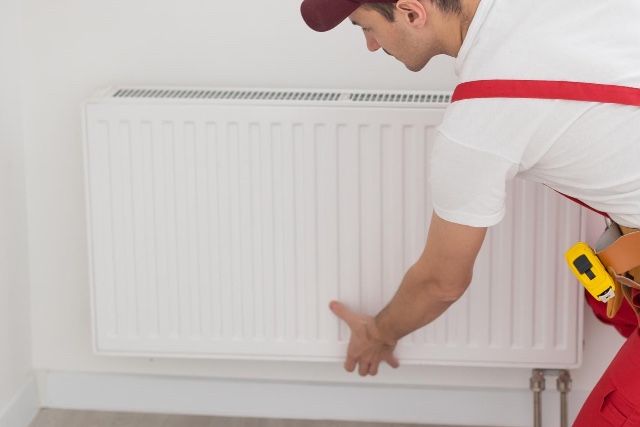
Radiators must be installed level and according to technical standards to ensure proper heat distribution. Incorrect installation may reduce efficiency and cause air pockets. A специалист installs the radiators, connects them to the heating system, installs valves, and checks for leaks.
▶︎ Radiators operate efficiently, heat the room evenly, and function reliably.
What to discuss in advance:
radiator type (bimetallic, aluminum, steel);
connection method (side, bottom, diagonal);
pipe layout and access;
need for additional mounting brackets.
Replacement of old radiators
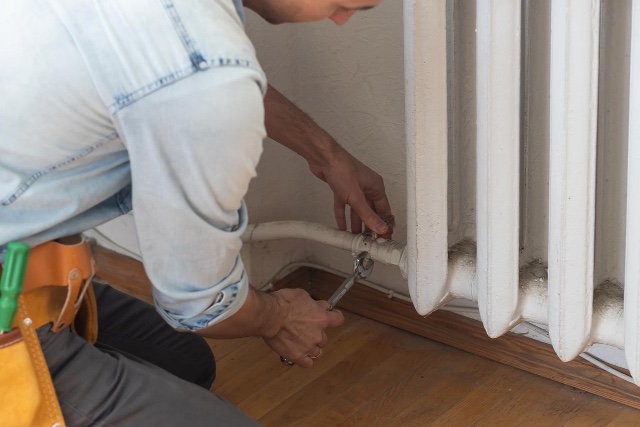
Over time, radiators wear out: heat output decreases, leaks may appear, or internal blockages can occur. Replacing them improves heating efficiency and reduces the risk of failures. A specialist removes old radiators, prepares the connections, and installs new ones according to modern standards.
▶︎ The room becomes warmer, and the system works more safely and efficiently.
What to clarify beforehand:
condition of existing pipes;
need to replace valves or connections;
possibility of shutting off heating;
specifications of new radiators.
Installation of thermostatic valves and shut off components
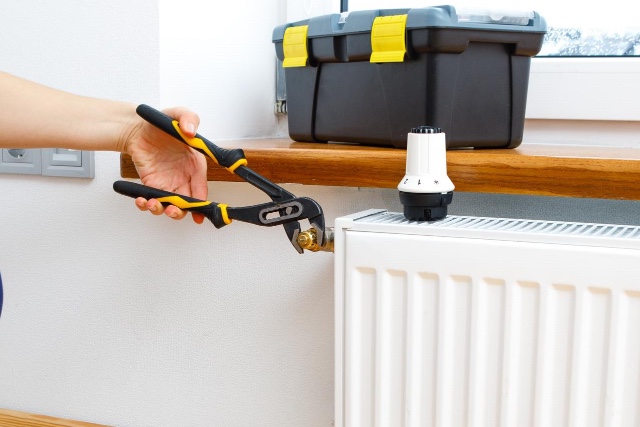
To control room temperature effectively, thermostatic valves and shut-off valves are essential. They allow you to regulate heat and isolate radiators if needed. A specialist installs thermostats and balancing valves and ensures proper operation.
▶︎ You can control the temperature and reduce heating costs without sacrificing comfort.
What to discuss:
type of thermostat;
compatibility with radiators;
need for system balancing;
ease of access for adjustment.
Relocation of radiators and system modification
During renovations, it may be necessary to move radiators or adjust the heating layout. This requires precise planning and expertise. A specialist relocates radiators, modifies pipework, and adjusts the system for optimal performance.
▶︎ Heat is distributed evenly, and radiators fit seamlessly into the interior design.
What to consider:
new radiator positions;
pipe length and material;
system load;
required approvals (for apartment buildings).
System flushing and preparation
Before installing new radiators, it is important to clean the heating system from debris and buildup. This improves efficiency and extends equipment lifespan. A specialist flushes the system, removes air, and prepares it for operation.
▶︎ Radiators work at full capacity without blockages or strain.
What to clarify:
condition of the heating system;
need for chemical or hydraulic flushing;
presence of air in the system;
system pressure.
Turnkey heating installation
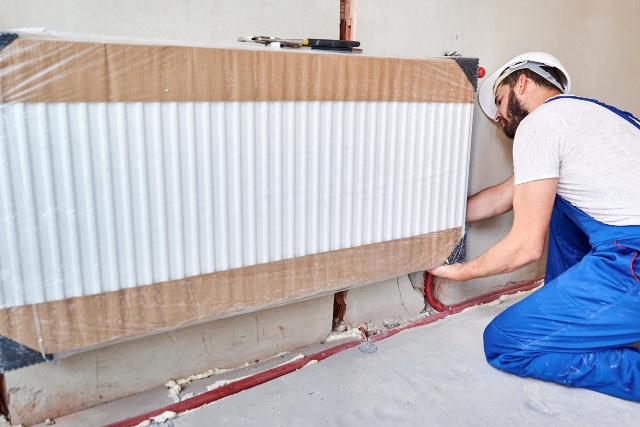
For new homes or full renovations, it is best to complete all heating work at once. This avoids future modifications and ensures maximum efficiency. A specialist designs the system, installs radiators, connects all components, and tests the entire setup.
▶︎ You get a reliable and well-balanced heating system.
What to agree on in advance:
number and type of radiators;
heating layout;
work stages;
timeline and cost.
How to choose a radiator installation specialist
Heating systems require precision and compliance with standards. Mistakes can lead to discomfort or serious damage.
Here’s what to look for:
Experience and specialization. A good specialist understands different radiator types and heating systems.
System inspection. A professional always checks pressure, pipe condition, and risks.
Modern solutions expertise. The specialist should be familiar with thermostats and modern heating technologies.
Transparent pricing. Reliable professionals clearly explain what is included in the cost.
Clean and installation. Work should be done without damaging walls or finishes.
Warranty. A sign of reliability and confidence in the work.
Communication. A good specialist explains details and warns about possible issues.
As a result, you get a safe, efficient heating system that works reliably.
Frequently Asked Questions (FAQ)
▸How much does radiator installation cost?
It depends on the number of radiators, complexity, and system condition. Basic installation is cheaper, while комплекс work costs more.
▸Can I replace just one radiator?
Yes, this is a common request, but the overall system condition should be considered.
▸How long does installation take?
Usually 1–2 hours per radiator. Larger projects may take a full day.
▸Do I need to shut off heating?
Yes, the system must be turned off during installation or replacement.
▸Should I buy radiators in advance?
You can, or the specialist can help select compatible options.
▸Do pipes need to be replaced?
Not always—only if they are worn or damaged.
▸Why doesn’t the radiator heat properly after installation?
Most often due to trapped air or incorrect connection.
▸Can I install radiators myself?
Technically yes, but mistakes can lead to serious issues.
▸Is the work messy?
Usually not, though some minor mess is possible during removal.
▸What is included in the price?
Check whether installation, removal, sealing, and testing are included.
▸Are materials charged separately?
Often yes—valves, fittings, and connectors may cost extra.
▸Will the system be tested after installation?
This is important to ensure everything works properly.
▸Is there a warranty?
Reliable professionals always provide one.
▸Can the price change?
Sometimes—if hidden issues or extra work is required.
▸Who ensures leak-proof connections?
This should be clearly included in the service.
▸Are the radiators compatible with my system?
This must be checked beforehand.
▸Will connections remain accessible?
Important for future maintenance.
▸Do I need to be present?
Preferably at the start to confirm details.
▸Can I schedule a specific time?
Yes, but slight delays are possible.
▸Is urgent service available?
Often yes, but it may cost more.
▸How do I know the job is done well?
No leaks, no noise, and even heat distribution.
▸Can I get a consultation in advance?
Yes, and it is highly recommended.
Platform capabilities
Expert
I can provide repair and construction services in Spain
 Request your free quote