A rainwater harvesting system is a convenient and eco-friendly solution for a private house or summer home. The collected water can be used for irrigation, cleaning, technical purposes, and even partially for household use. However, mistakes during installation can lead to overflows, water contamination, unpleasant odors, or damage to your property. Proper installation ensures stable operation and long-term reliability of the system.
Installing a rainwater tank is not just about placing a container under a downpipe. It is a комплекс of works that includes preparing the base, connecting to the drainage system, installing filters, organizing overflow, and testing the entire system. It is especially important to consider the tank capacity, soil type, site slope, and seasonal operating conditions.
If you want to set up a rainwater collection system from scratch or upgrade an existing one, it is best to trust a professional. This will help avoid issues with leaks, blockages, and improper system performance.
Installation of an above-ground tank
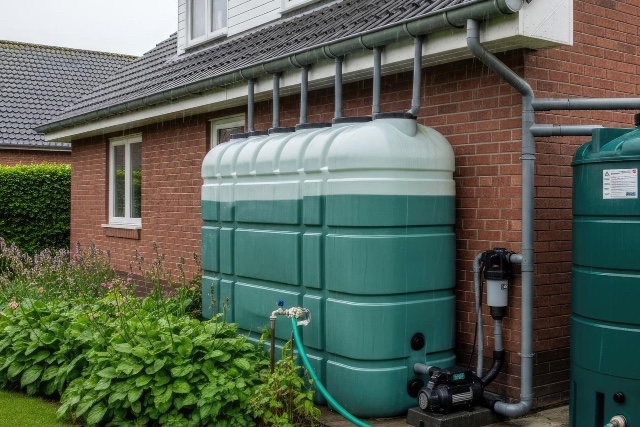
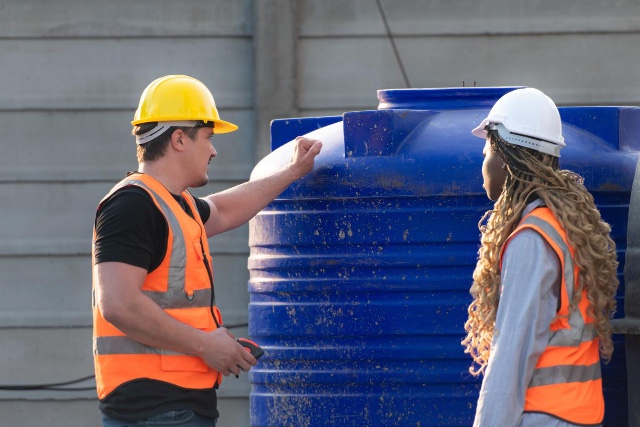
Above-ground tanks are the simplest and most popular option for collecting rainwater. They are installed near the house and connected to the downpipe. The specialist prepares a level base, installs the tank, connects the system, and checks all connections for tightness.
▶︎ As a result, the tank is stable, water flows without losses, and the system operates without overflows.
What is important to discuss in advance:
tank capacity;
material (plastic, metal);
installation location;
presence of a lid and protection from debris.
Installation of an underground tank
Underground systems help preserve the appearance of the property and allow for larger water volumes. However, their installation is more complex. The specialist performs excavation work, installs the tank, connects pipes, and sets up drainage and overflow systems.
▶︎ The system operates invisibly, does not take up space on the site, and is protected from overheating and freezing.
What to pay attention to:
installation depth;
soil type;
need for drainage;
access for maintenance.
Connection to the gutter system
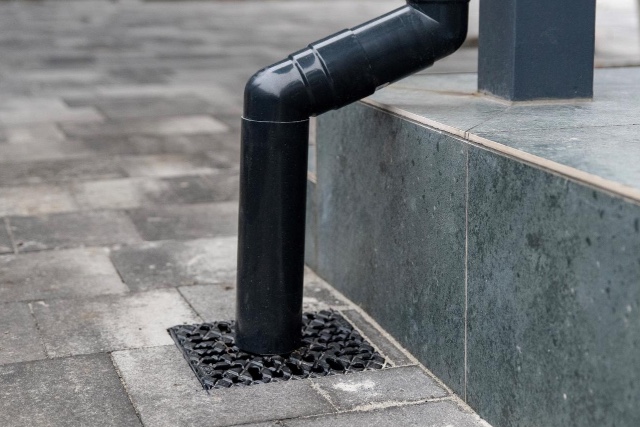
For efficient water collection, the tank must be properly connected to the gutter system. The specialist installs a rainwater collector, filters, and connects the system to ensure a stable flow of water.
▶︎ Water enters the tank without debris and contaminants, and the system operates automatically.
What to clarify in advance:
type of gutter system;
need for filtration;
overflow protection;
possibility of winter shutdown.
Installation of filters and treatment system
Rainwater may contain leaves, sand, and other contaminants, so filtration is essential. The specialist installs coarse filters and, if necessary, fine filtration systems, as well as protection against clogging.
▶︎ The water remains clean, and the system does not clog or require frequent maintenance.
What is important to discuss:
type of filters;
maintenance frequency;
access to filter elements;
need for additional purification.
Overflow and drainage setup
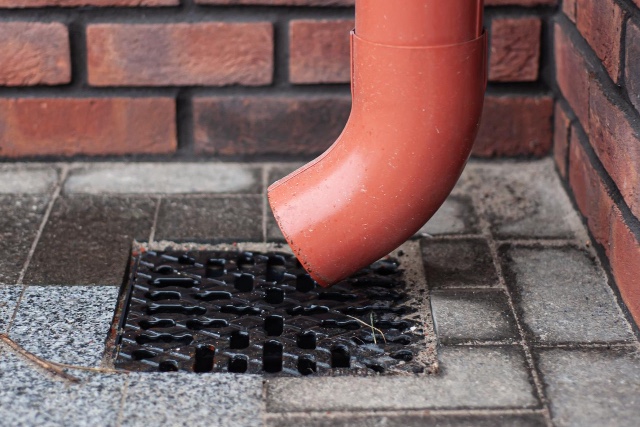
During heavy rainfall, the tank may overflow, so it is important to properly organize excess water discharge. The specialist installs an overflow system, directing water into drainage, sewer, or a designated area.
▶︎ There is no risk of flooding; water is safely and controllably diverted.
What to consider:
direction of water discharge;
presence of a drainage system;
distance from the house;
site characteristics.
Turnkey installation of a rainwater harvesting system
When building a house or landscaping a property, it is optimal to install the entire system at once. The specialist designs the system, selects equipment, performs installation, and tests its operation.
▶︎ All elements work in coordination, the system is efficient, and no further adjustments are needed.
What to agree on in advance:
water volume and purpose;
tank location;
system type (above-ground or underground);
budget and timeline.
How to choose a rainwater harvesting system installation specialist
The system should be not only convenient but also safe for your property and home. Mistakes can lead to flooding or foundation damage.
Here is what to pay attention to:
Experience with outdoor systems. It is important that the specialist understands working with soil, drainage, and gutter systems.
Comprehensive approach. A good specialist considers not only the tank installation but the entire water drainage system.
Knowledge of materials and equipment. Different tanks and filters require different installation approaches.
Site assessment. A professional takes into account slope, soil type, and groundwater levels.
Transparent pricing. It is important to clearly understand what is included: excavation, materials, connections.
Warranty for the work. This indicates quality and responsibility.
Communication. The specialist explains how the system will work and what limitations exist.
As a result, you get a reliable rainwater harvesting system that works efficiently and without problems.
Frequently asked questions (FAQ)
▸How much does rainwater tank installation usually cost?
In most cases, it depends on the tank size and installation type. Above-ground systems are the most affordable, while underground ones require excavation and cost significantly more. It’s best to clarify what is included in the price to avoid extra charges.
▸Can I install just the tank without a complex system?
Yes, of course. Many people start with a simple setup connected to a downpipe without filters or automation. The system can be upgraded later if needed.
▸How long does installation take?
An above-ground tank is usually installed in 1–2 hours. An underground system takes at least a day, sometimes longer depending on soil conditions and project complexity.
▸Do I need to prepare the site in advance?
Not necessarily. In most cases, the installer prepares the base. However, if the area is already landscaped, it’s important to discuss how to minimize disruption.
▸Can I use the water immediately after installation?
Yes, for irrigation. For household use, additional filtration is required.
▸How often does the system need maintenance?
Typically, filters should be checked and cleaned once per season. It depends on rainfall and contamination levels.
▸Will the water smell or stagnate?
If installed correctly (with a lid, filters, and light protection), the water remains clean and odor-free.
▸What happens if the tank overflows?
A proper system includes an overflow. Water is safely redirected to drainage or away from the house without flooding risk.
▸Can the tank be installed in an already finished yard?
Yes, but it’s important to consider access for equipment and careful execution, especially for underground systems.
▸Does the system work in winter?
In most cases, it is either winterized or used partially, depending on the setup and climate.
▸ What exactly is included in the price?
Make sure the quote includes base preparation, connection, filters, overflow, and system testing.
▸ Do materials need to be paid separately?
Often yes. Pipes, connectors, filters, and additional components may be charged separately.
▸ Is the selected tank suitable for my site?
Soil type, slope, and groundwater levels must be considered. A good specialist always checks this.
▸ Will the system be protected from debris and leaves?
Ask about filters and protective elements — they affect system lifespan.
▸ How is overflow handled?
This is critical. Water must be safely redirected, not accumulate near the house.
▸ Will there be access for maintenance?
Filters and connections should remain accessible.
▸ Can the system be expanded in the future?
It’s often worth planning for additional tanks in advance.
▸ Should winter conditions be considered during installation?
Yes, especially if you don’t plan to fully shut down the system.
▸ Can the price change during the process?
Sometimes yes — for example, due to difficult soil or additional drainage work.
▸ Who is responsible for leak-proof connections and system performance?
Make sure testing and warranty are included.
▸ How can I tell if the system is installed correctly?
Water flows properly, there are no leaks, overflow works, and there are no odors.
▸ Can I get a consultation before work begins?
Yes, and it’s recommended. A good specialist will clarify details and suggest the best solution.
Platform capabilities
Expert
I can provide repair and construction services in Spain
 Request your free quote